
Essential Steps for Roof Repair in New Jersey
- Daniel Nikolla

- Mar 9
- 4 min read
When it comes to maintaining your property, the roof is one of the most critical components. A well-maintained roof protects your home or commercial building from the elements, keeps energy costs down, and preserves the overall value of your property. If you live in New Jersey, you know how the weather can be unpredictable, with heavy rain, snow, and wind all taking their toll on your roof. That’s why understanding the essential steps for roof repair in New Jersey is so important. I’m here to guide you through the process with clear, practical advice that you can trust.
Understanding the Importance of Timely Roof Repairs
Ignoring small roof problems can lead to bigger, more expensive issues down the line. I’ve seen many cases where a minor leak turned into significant water damage, affecting ceilings, walls, and even the structural integrity of the building. Timely roof repairs help you avoid these costly repairs and keep your property safe and dry.
Here are some key reasons why you should act quickly when you notice roof damage:
Prevent water damage: Even a small leak can cause mould growth and rot.
Maintain energy efficiency: Damaged roofs can let heat escape in winter and cool air out in summer.
Protect your investment: Your roof is a major part of your property’s value.
Avoid pest infestations: Gaps and holes can invite unwanted critters.
By addressing roof issues early, you save money and stress in the long run.

How to Identify Roof Damage in New Jersey
Knowing what to look for is the first step in any roof repair project. New Jersey’s climate means your roof faces a variety of challenges, from heavy snow loads in winter to intense summer storms. Here are some common signs of roof damage you should watch out for:
Missing or cracked shingles: These are often the first visible signs of wear.
Granules in gutters: Asphalt shingles shed granules as they age.
Water stains on ceilings or walls: A clear sign of leaks.
Sagging roof deck: Indicates structural issues.
Moss or algae growth: Can trap moisture and damage roofing materials.
Damaged flashing: Flashing around chimneys, vents, and skylights can crack or loosen.
Regular inspections, especially after storms, can help you catch these problems early. If you’re unsure, it’s always best to call a professional for a thorough assessment.
Essential Steps for Roof Repair in New Jersey
Once you’ve identified the problem, it’s time to take action. Here’s a straightforward guide to the essential steps for roof repair in New Jersey that I recommend:
1. Assess the Damage Thoroughly
Start with a detailed inspection. Check the roof surface, gutters, flashing, and attic for signs of damage. Take photos and notes to document everything. This will help you plan the repair and communicate clearly with contractors if you hire one.
2. Choose the Right Materials
New Jersey roofs often use asphalt shingles, metal roofing, or tiles. Match your repair materials to your existing roof for the best results. Using the right materials ensures durability and a consistent look.
3. Prepare the Work Area
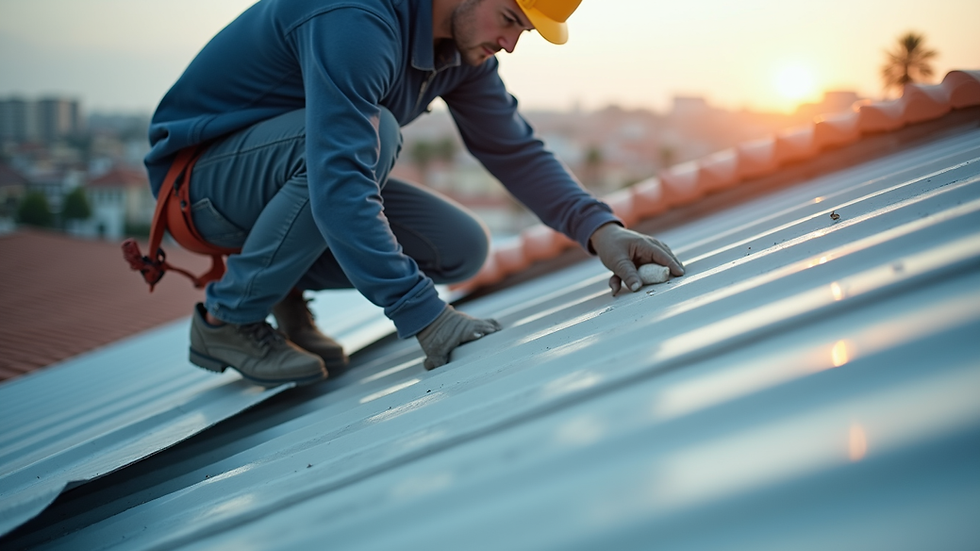
Safety first. Use proper ladders, harnesses, and protective gear. Clear the area around your home to avoid accidents and protect landscaping.
4. Remove Damaged Sections
Carefully remove broken or worn shingles, damaged flashing, or rotten wood. This step is crucial to prevent further damage and prepare the surface for new materials.
5. Repair or Replace Underlayment
The underlayment is the waterproof layer beneath your shingles. If it’s damaged, replace it to maintain your roof’s protection against water infiltration.
6. Install New Shingles or Roofing Material
Lay new shingles or roofing panels according to manufacturer instructions. Make sure they are securely fastened and properly aligned to prevent leaks.
7. Seal and Secure Flashing
Replace or repair flashing around chimneys, vents, and skylights. Use roofing cement or sealant to ensure a watertight seal.
8. Clean Up and Inspect
Remove debris and nails from the site. Do a final inspection to ensure all repairs are solid and the roof looks uniform.
Following these steps carefully will help you achieve a long-lasting repair that stands up to New Jersey’s weather.

When to Call in the Professionals
While some minor repairs can be tackled by handy homeowners, many roof issues require professional expertise. Here are some situations where calling a roofing contractor is the best choice:
Extensive damage covering a large area
Structural issues like sagging or rot
Complex roofing systems or materials
Safety concerns with roof access
Need for a warranty or insurance claim support
Hiring a professional ensures the job is done right the first time. They have the tools, experience, and knowledge to handle New Jersey’s unique roofing challenges. Plus, they can provide valuable advice on maintenance and future repairs.
If you’re looking for reliable help, consider reaching out to a trusted local company specialising in roof repair New Jersey to get expert service and peace of mind.
Maintaining Your Roof After Repairs
Repairing your roof is just one part of the process. To keep it in great shape, regular maintenance is essential. Here are some tips to help you extend the life of your roof:
Schedule annual inspections: Check for damage, especially after storms.
Clean gutters regularly: Prevent water backup and ice dams.
Trim overhanging branches: Avoid damage from falling limbs.
Remove moss and algae: Use gentle cleaning solutions to protect shingles.
Check attic ventilation: Proper airflow prevents moisture buildup.
By staying proactive, you can avoid costly repairs and keep your roof performing well for years to come.
Protecting Your Investment with Quality Repairs
Your roof is a major investment in your property’s safety and value. Taking the time to understand the essential steps for roof repair in New Jersey helps you protect that investment. Whether you choose to do minor repairs yourself or hire a professional, the key is to act promptly and use the right materials and techniques.
Remember, a well-maintained roof not only shields you from the elements but also adds to your peace of mind. Keep an eye on your roof, address issues early, and enjoy the comfort and security of a strong, reliable roof over your head.
If you want to learn more or need expert assistance, don’t hesitate to contact a trusted roofing contractor in your area. They can provide tailored advice and quality workmanship to keep your property safe and sound.
Thank you for reading! I hope this guide helps you feel confident about managing your roof repairs and maintaining your property’s protection in New Jersey.


Comments