
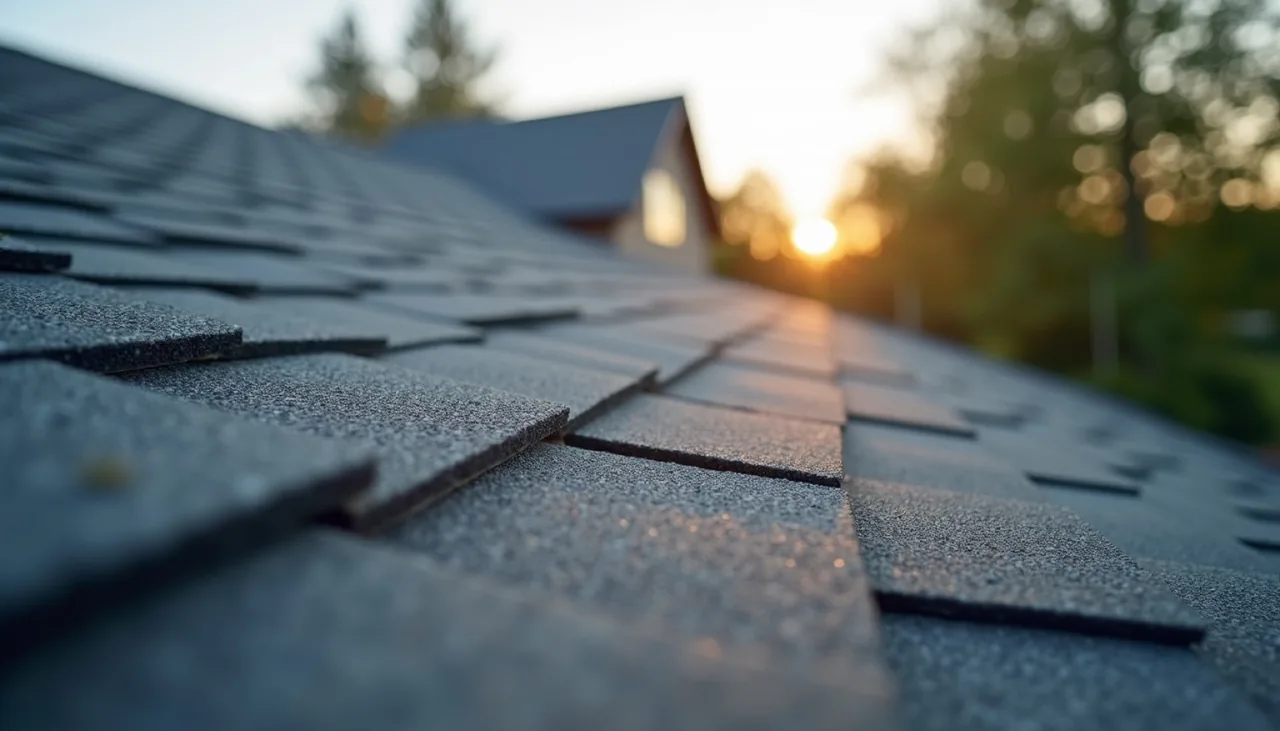
Your roof protects your home from rain, snow, wind, and heat. It keeps your family safe and your home comfortable. Whether you are building a new house or replacing an old roof, knowing how roof installation works helps you make smart choices. This guide covers everything you need to know about roof installation, from why it matters to picking the right materials and what to expect during the process.
Why Roof Installation Matters
A roof is your first defense against weather that can damage your home. A well-installed roof lasts for decades and prevents leaks and structural problems. Poor installation can cause water damage, mold, and costly repairs.
A good roof also helps control your home’s temperature. Proper materials and installation reduce heat loss in winter and keep your home cooler in summer. This lowers energy bills and makes your living space more comfortable year-round.
Choosing a professional installer ensures the job is done right. They follow building codes and use techniques that protect your home from weather and wear.
Choosing the Right Roofing Materials
Your choice of roofing material affects how long your roof lasts, how it looks, and how much it costs. Consider your climate, home style, and budget when picking materials. Here are common options:
Asphalt Shingles
Asphalt shingles are the most popular roofing material in the U.S. They are affordable and come in many colors and styles. These shingles usually last 20 to 30 years. They work well for most homes and provide good protection against rain and wind.
Metal Roofing
Metal roofs last longer than asphalt, often up to 50 years. They resist hail, snow, and fire. Metal reflects sunlight, which helps keep your home cooler. This makes metal roofing a good choice in hot climates or areas with severe weather.
Tile and Slate Roofing
Tile and slate roofs are heavy but very durable. They can last over 50 years with proper care. These materials add a classic, elegant look to your home. They work best in dry climates because they can crack in freezing weather.
Wood Shingles and Shakes
Wood shingles offer a natural look and good insulation. They require more maintenance and are less fire-resistant unless treated. Wood roofing suits homes in mild climates and those wanting a rustic style.
Synthetic Roofing Materials
Synthetic options mimic natural materials like slate or wood but weigh less and cost less. They are durable and often come with long warranties. These materials are a good alternative if you want the look without the weight or price.
Steps in the Roof Installation Process
Knowing what happens during roof installation helps you prepare and avoid surprises. Here are the main steps:
Inspection and Preparation
The installer checks the old roof and the structure beneath. They remove damaged materials and fix any problems with the roof deck. This step ensures a solid base for the new roof.
Installing Underlayment
Underlayment is a protective layer placed over the roof deck. It acts as a moisture barrier and adds extra protection against leaks. Common underlayments include felt paper and synthetic sheets.
Installing Flashing and Ventilation
Flashing is metal installed around chimneys, vents, and valleys to prevent water from seeping in. Proper ventilation keeps air flowing under the roof, reducing heat buildup and moisture.
Laying Roofing Material
The roofing material is installed according to manufacturer instructions. For shingles, this means overlapping rows to shed water. For metal or tile, installers secure each piece carefully to withstand wind and weather.
Final Inspection and Cleanup
After installation, the crew inspects the roof to ensure everything is secure and sealed. They clean up debris and remove old materials. A final check confirms the roof is ready to protect your home.
Signs You Need a New Roof
Knowing when to replace your roof can save money and prevent damage. Look for these signs:
- Missing, cracked, or curling shingles
- Water stains or leaks inside your home
- Sagging roof deck
- Granules from shingles in gutters
- Roof age over 20-25 years for asphalt shingles
If you notice these issues, schedule a professional inspection to evaluate your roof’s condition.
Tips for Hiring a Roofing Contractor
Choosing the right contractor is key to a successful roof installation. Use these tips:
- Check licenses and insurance
- Read reviews and ask for references
- Get multiple written estimates
- Ask about warranties on materials and labor
- Confirm the timeline and cleanup process
A trustworthy contractor will communicate clearly and stand behind their work.
Maintaining Your Roof After Installation
Proper maintenance extends your roof’s life. Here are simple steps:
- Clean gutters regularly to prevent water backup
- Trim overhanging branches to avoid damage
- Inspect your roof after storms for missing or damaged shingles
- Remove debris like leaves and moss
- Schedule professional inspections every few years
Regular care helps catch problems early and keeps your roof in good shape.
How Roof Installation Affects Home Value
A new roof adds value to your home. It improves curb appeal and reassures buyers that the house is well cared for. Energy-efficient roofing materials can also lower utility costs, making your home more attractive.
If you plan to sell, a new roof can speed up the sale and increase your asking price. Even if you stay long-term, investing in a quality roof protects your biggest asset.
A well-installed roof protects your home, saves energy, and boosts value. By choosing the right materials and a skilled contractor, you ensure your roof will last for decades. Keep up with maintenance to avoid costly repairs and enjoy a safe, comfortable home.
What a Roof Installation Costs in New Jersey
National averages undersell this market, so start with the local anchor: the average New Jersey asphalt shingle replacement runs around $11,766 per statewide contractor data, and the number moves with roof size, pitch, layers to tear off, and the material you choose. Labor is the biggest single driver at roughly 60 percent of the invoice, and New Jersey roofing labor runs $55 to $95 per hour against a $45 to $70 national range. For the repair-versus-install decision, our NJ roof repair cost guide carries the cited repair figures to weigh against.
Between materials, the cost logic is lifetime math rather than sticker price. Asphalt is the cheapest to install and to fix, with a $975 national average repair on shingle roofs against $1,700 for metal and $1,800 for slate. Premium materials can outlast asphalt, but the install cost, repair cost, and the weight your framing can carry all belong in the same calculation, which is why the material conversation should happen with the contractor standing at your actual house.
The quote structure matters as much as the total. An installation estimate should itemize tear-off, deck inspection, ice and water shield, underlayment, the shingle system, new flashing, ridge venting, cleanup, and a per-sheet price for decking replacement, because deck rot is invisible until the old roof is off. One round number instead of that list is how surprise invoices are born.
Installing for a North Jersey Winter
The install details in this guide are not optional extras in this climate. North Jersey takes 40 to 50 inches of snow most winters and nor’easters from October into April, and the two places local roofs fail first are exactly where the extra protection goes: ice and water shield at the eaves, where refreezing meltwater backs up under the shingle courses, and in the valleys, where two roof planes send their water into one seam at speed.
Ventilation is the other quiet decider. An attic that cannot breathe cooks shingles from below through the summer, and a shocking share of roofs that die at 15 years instead of 25 die of heat, not weather. A proper installation balances intake at the soffits with exhaust at the ridge for the actual attic volume, and cutting a ridge vent in during the install costs close to nothing compared with adding one later as a standalone job.
Season affects technique more than feasibility. Shingle seal strips need warmth to bond, so cold-month installations get scheduled around temperature windows, and a contractor who names that constraint up front is showing you they plan to do it right. A roof nailed down in deep cold without that planning may not seal until spring, which is a long time for wind to work at unbonded tabs.
Flashing details round out the local list, and chimneys are where they earn or lose the roof. Older North Jersey homes carry brick chimneys and plenty of roof-meets-wall joints, many patched with tar at some point in their history, and tar fails. A proper installation replaces flashing rather than reusing it, weaves the step flashing into the shingle courses, and ties the chimney counterflashing into sound mortar, because a new roof draining into fifty-year-old flashing is a leak on a schedule.
Permits, Layers, and the Local Rules
In New Jersey, a full roof installation is permitted work. Clifton and the surrounding towns require a permit for replacement, municipal fees generally run $200 to $500, and the contractor should pull the permit, meet the inspector, and file the close-out. A contractor who asks the homeowner to pull the permit is usually avoiding scrutiny of their licensing or insurance, and that is the moment to stop the project.
The layering rule matters on older housing stock: two total layers of roofing is the legal maximum, and many North Jersey roofs already carry both, often from an overlay done decades ago. Installing over existing shingles hides deck rot, adds weight to older framing, traps heat, and voids most manufacturer warranties, so the honest answer on a layered roof is a tear-off even though it costs more on day one. What the overlay saves at install, it spends later with interest.
Roof Installation Questions Homeowners Ask
What is the best season to install a roof here?
Late spring through fall gives the widest weather windows, and fall is the practical deadline before snow tests whatever was left undone. Winter installs are workable with temperature planning. The best season is ultimately the one before the old roof fails, because an emergency replacement in February costs more than a scheduled one in October.
How long does the installation actually take?
One to two days for most single-family homes, including tear-off and cleanup. Layered tear-offs, steep pitches, complex rooflines, and hidden deck repairs add time, and every one of those factors is visible at estimate stage, so the schedule you are quoted should already account for them.
What should the cleanup include?
Tarped landscaping while the work runs, all debris hauled the same day the job ends, and a magnet sweep of the driveway and lawn for nails. Ask about the magnet sweep specifically; a season of picking roofing nails out of car tires is the most common souvenir of a cheap installation.
What paperwork should I hold when the job is done?
Four things: the permit close-out from the town, the manufacturer warranty registered in your name, the contractor’s written workmanship warranty, and photos of the deck taken before it was covered. That folder is the roof’s birth certificate, and it matters for insurance, for warranty claims, and for the eventual sale of the house.
How do I verify the installer is legitimate before signing?
Check the 13VH contractor registration number in New Jersey’s license search at newjersey.mylicense.com, confirm the status is Active and the name matches the proposal, and have insurance certificates for liability and workers compensation sent directly from the contractor’s agent. Fifteen minutes of checking eliminates most of the worst outcomes in this industry.
Does a new roof really change the house’s value?
It changes the sale more than the appraisal line. Buyers and their inspectors treat an aging roof as a negotiating lever, and a documented recent installation with transferable warranty coverage removes the single most expensive objection a buyer can raise. You mostly buy back certainty, and certainty is what closes.
Should the installer inspect the attic before quoting?
Yes, wherever there is access. The attic side of the deck shows stains, past leaks, and ventilation problems that shingles hide from above, and it tells the installer how much decking money to expect before the tear-off reveals it. A quote written without anyone looking below the roof is a quote written with one eye closed.