
Chimney Repair Summit NJ
Clifton-based, NJ HIC #13VH11720500. Ask for written warranty terms.
- 5.0 rating on Google
- NJ HIC #13VH11720500
- Free, no-obligation estimates
We at Four Seasons Roofing and Construction repair chimneys in Summit, NJ, from the flashing at the roofline up through the crown. We assess the roof-to-chimney connection and put the proposed repair in writing after a free inspection. Flashing, brick and roof are handled together, so there is no finger-pointing between trades.
- One contractor for flashing, brick, and roof
- Free inspection first, with photos of what we find
- Licensed and insured, NJ HIC #13VH11720500
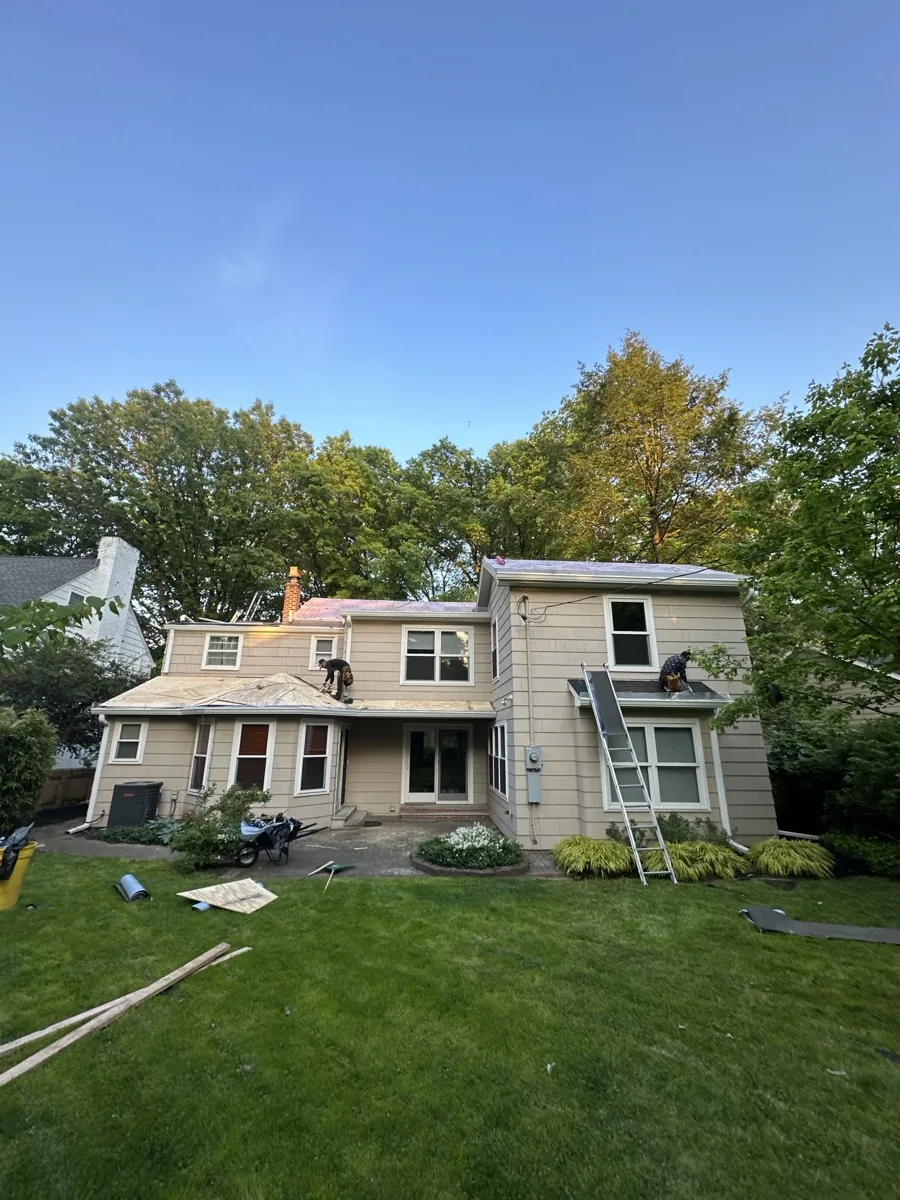
The Facts on Four Seasons Roofing and Construction in Summit
We at Four Seasons Roofing and Construction handle chimney repair in Summit, the Union County city up on a ridge of the Watchung Mountains, from 38 Speer Ave in Clifton, New Jersey. We have held New Jersey Home Improvement Contractor registration #13VH11720500 since 2021, and the roofs we put on are GAF or Owens Corning systems.
See every roofing service we offer · Request a free chimney estimate
Keep reading: When a Rebuild Is the Honest Answer
Summit chimney questions go to (862) 318-3997, or put the details in the form on this page and the estimate comes back written.
A Summit chimney rarely fails all at once, and the early signs are a brown stain near the ceiling after a storm, a run of mortar gone soft and sandy, or white crust streaking the brick once the rain dries.
Any one of those means water is already inside, and on Summit's older homes up here on the ridge it can travel a long way before it shows. We handle chimney repair in Summit, NJ as roofing and masonry together, because on these houses the trouble usually begins at the seam where the chimney meets the roof.
Flashing Read First
On a Summit chimney the roofline seam gets checked first, since that is where the leak almost always starts.
Clifton Base, Summit Service
Our Clifton base serves Summit, including Brantwood Park and Tall Oaks, and you can call to discuss inspection availability.
Licensed and Insured
Real credentials under NJ HIC #13VH11720500, a fair number after a free look, and the work backed in writing.
When a Rebuild Is the Honest Answer
Who Signs Off on the Work in Summit
The Summit building department is the Construction Division at City Hall, 512 Springfield Avenue, open weekdays 8:30 to 4:30, and the city wants inspection requests in writing under the state construction code. Where a permit is required, confirm in the written estimate who files it and books the inspection. Confirm the permit requirements for the proposed work with the department.
We are registered with the New Jersey Division of Consumer Affairs as a home improvement contractor, NJ HIC #13VH11720500. You can check that on the state licence verification portal before you hire us, or anyone else. We install GAF and Owens Corning roofing systems but are not enrolled in either manufacturer's contractor certification program.
Other Work We Do in Summit
- Summit Emergency Roof Repair
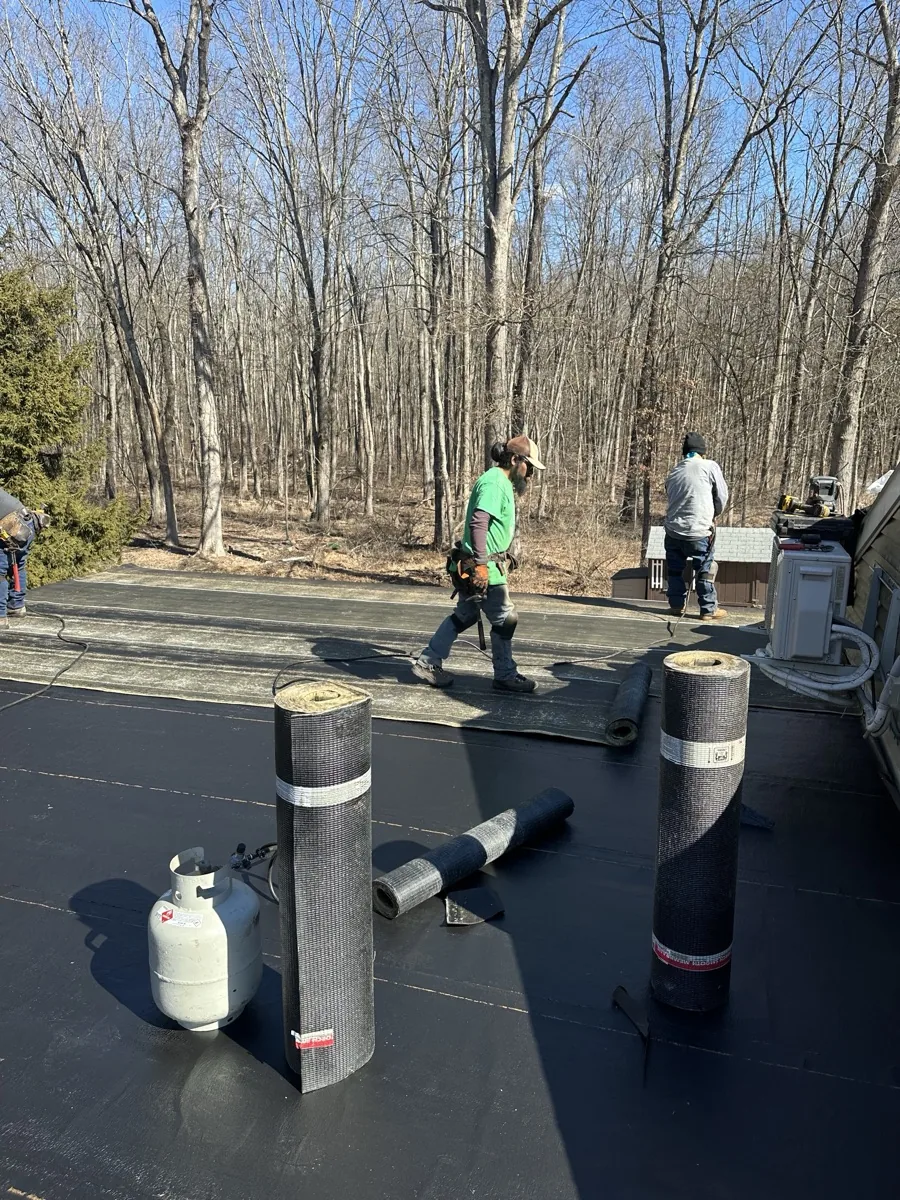
- Flat Roof Repair Summit NJ
- Summit, NJ Roof Leak Repair
- Summit NJ Roof Repair
Keep reading: More Help in Summit
More Help in Summit
Our work in Summit covers the whole roof. Chimney and roof problems overlap, so Summit roofing and roof leak repair in Summit calls often trace back to the chimney. When the whole roof is failing, roof replacement in Summit covers the bigger job.
The core chimney repair page and the chimney repair hub have the full process, nearby we handle chimney repair in Millburn and chimney repair in Springfield, and our service areas lists everywhere we work.
Old Summit Brick and the Freeze-Thaw Problem
Summit was settled back in 1710, became a township in 1869, and was reincorporated as a city in 1899.
A good share of what stands today dates to the estate era that followed, when Victorian-era homes went up as farmland became estates. The DeBary Inn from 1880 is one example. The oldest survivor, the Carter House, goes all the way back to 1741.
When water in old brick freezes, the face of the brick comes off in flakes, which is called spalling. On a Summit stack, spalling is easier to fix when it is caught early.
In Summit, winter means snow and many nights at or below freezing (NOAA 1991-2020 normals), so the crown and the mortar joints matter most on an old chimney. They control how much water the brick takes on.
What Summit Does to a Chimney
Summit sits in the Watchung hills, where wind drives rain sideways into failed flashing or openings in masonry. The inspection finds the actual entry point on your property.
Moisture held in masonry can cause damage as it freezes and thaws, and water from ice dams or roof leaks may travel before a stain appears indoors. An inspection shows which parts are damaged and whether repair or rebuilding is right.
Keep reading: A Summit Chimney Calendar
A Summit Chimney Calendar
Fall is the time to have the crown and flashing on a Summit chimney looked at, before the first hard freeze gets into whatever is cracked. Winter damage tends to show after the thaw.
Nor'easters come most often from September through April, according to the National Weather Service, so a cap that lifted in one storm is worth fixing before the next.
Summit's Chimney Mix
A masonry stack and a factory-built chimney need different repair scopes, so identify the system before approving work. If a liner is proposed, Summit’s permit submittal chart lists mechanical, construction, jacket and chimney-verification forms, together with the liner manufacturer’s specifications. Ask the installer to identify the proposed liner and the appliance it will serve, and confirm the current submission requirements with the Construction Division.
This paperwork covers that liner or appliance proposal in Summit. It does not mean every exterior chimney repair needs the same forms.
A photograph of sound exterior brick cannot show whether the inside is suitable for a heating appliance. Keep the venting assessment separate from the masonry or flashing estimate, especially if the heating system has changed.
Does the Summit chimney still need anything after the fireplace was closed off years ago? The exterior still needs assessment. A closed fireplace does not tell you whether the stack serves another appliance.
Confirm its use with a qualified installer before approving any cap or vent alteration.
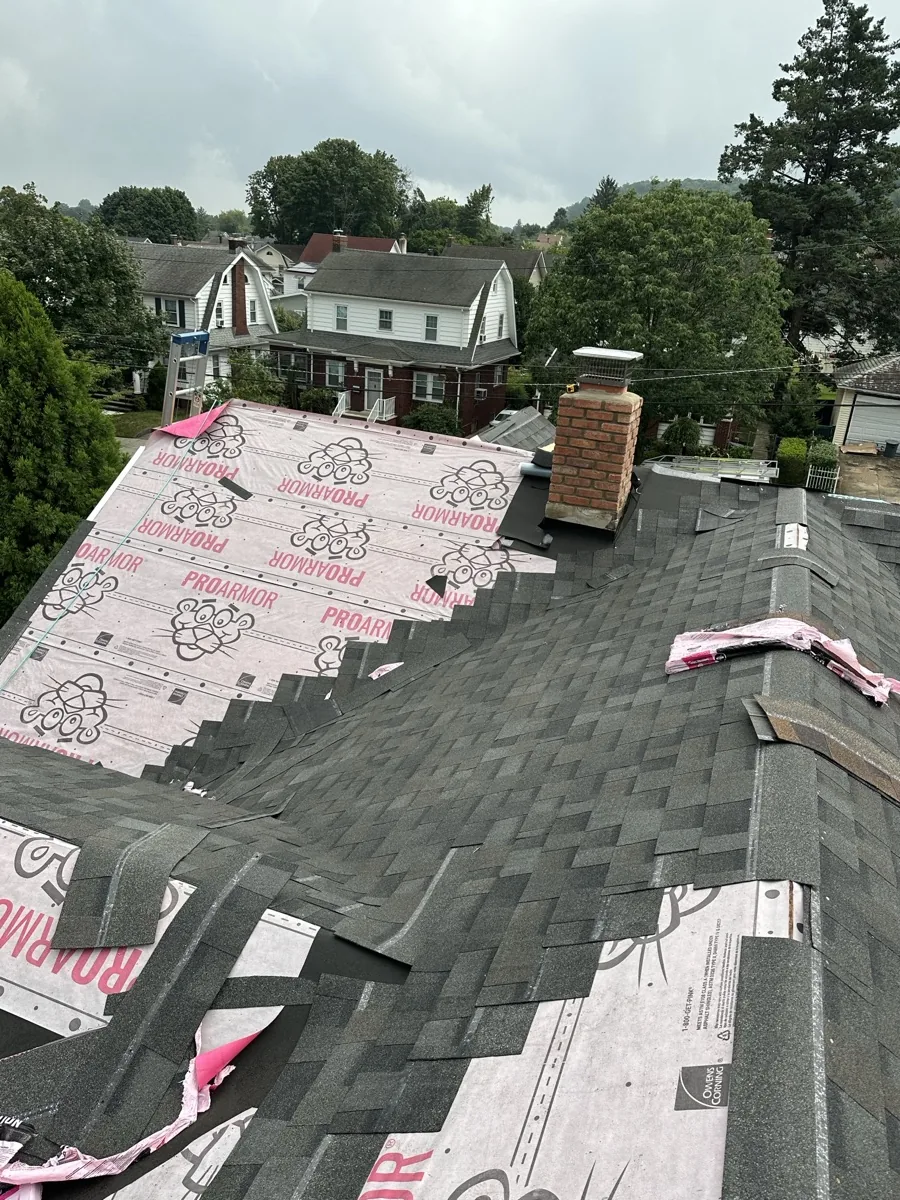
Should the chimney wait for the roof job in Summit? If the roof is coming up for work anyway, do them together while the flashing is open and the staging is already up, and you pay for one setup.
The Leak Is Usually the Flashing
A lot of what gets called a chimney leak in Summit starts at the roofline. The flashing fails, water runs in behind it, and a stain shows up on the plaster near the stack. People often blame the brick.
When the flashing is the problem we do a flashing and seal job in metal worked into the shingle courses, no tar. If the brick really is the cause, the photos show it, and that is what you pay to fix.
Step and Counter Flashing, Done in Metal
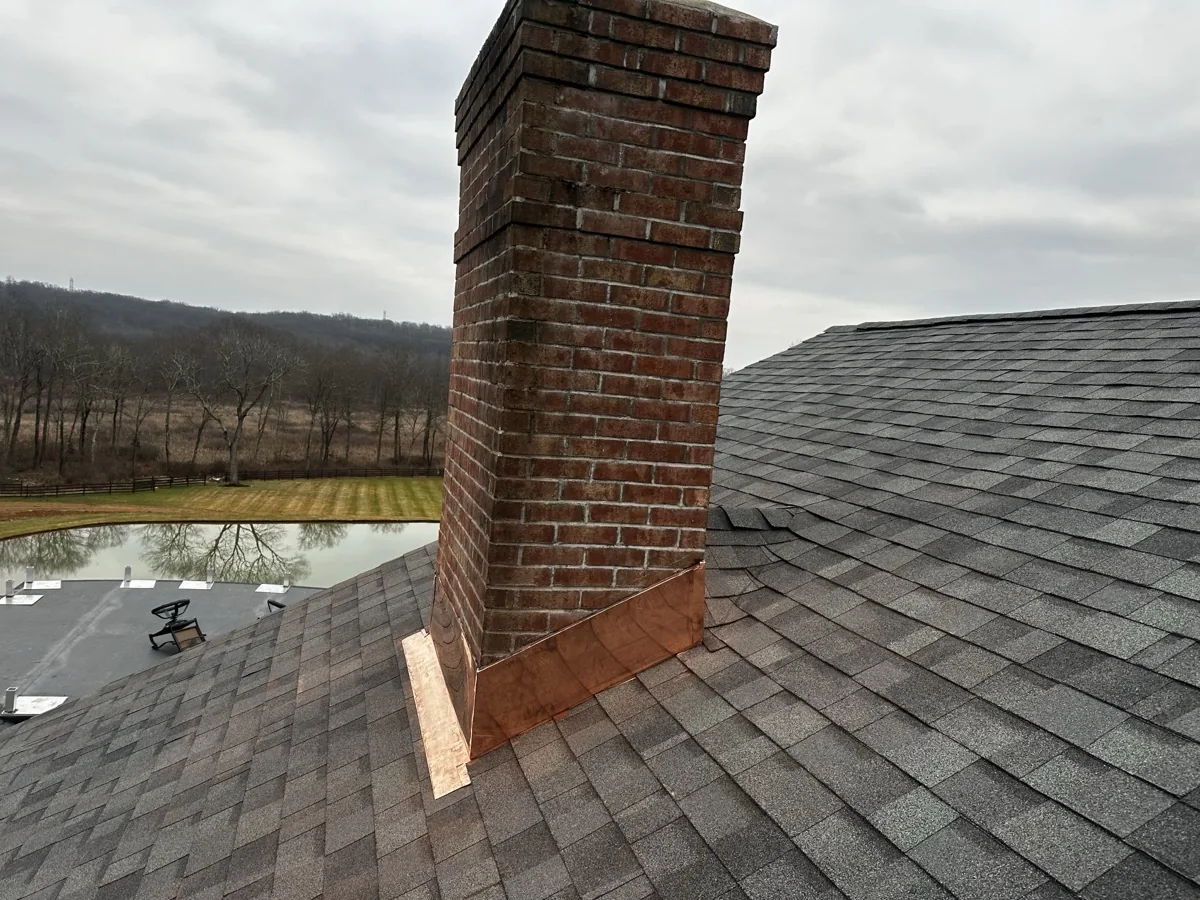
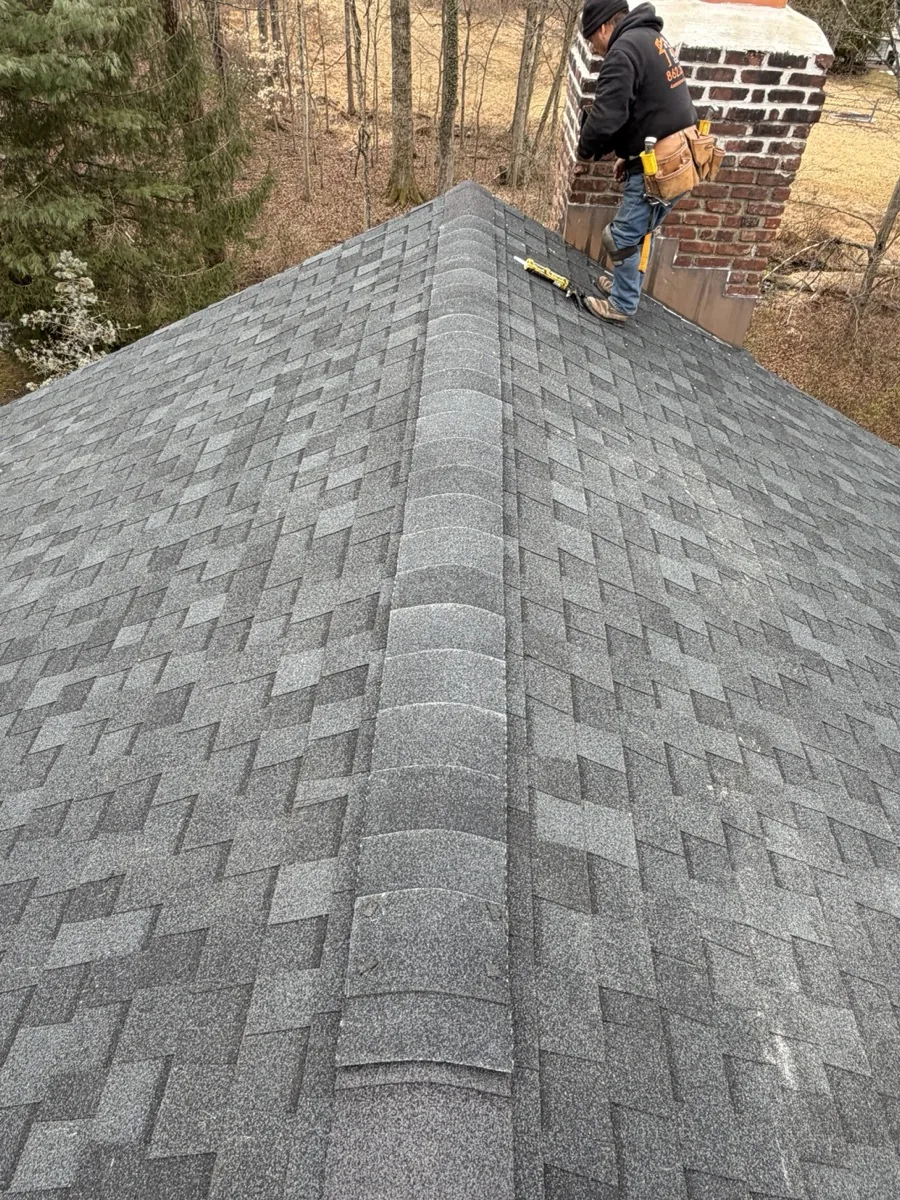
Chimney flashing on a Summit house comes in two layers: step pieces go under each shingle course up the sides, and counter flashing is set into a groove cut in the mortar so it laps over them. Tar on that joint shrinks and pulls off the brick within a couple of winters, so we cut and bed the metal.
Crown, Cap, and the Mortar Joints
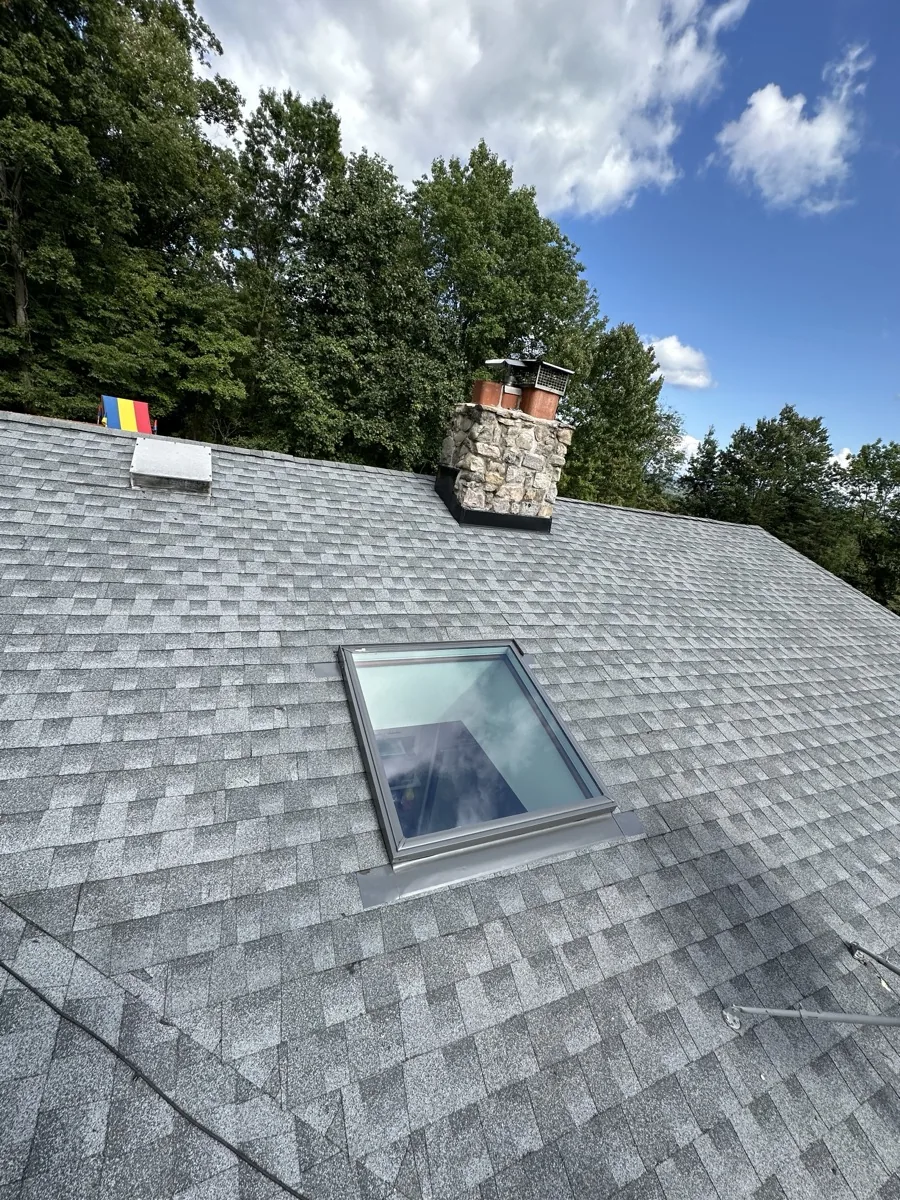
On a Summit chimney the crown is the concrete slab up top that sheds rain off the flue, and caps keep weather and squirrels out. Joints that have washed back get ground out and repacked with mortar matched to the old.
Why Roofing Plus Chimney Work Beats Either Alone
We handle both roofing and chimney work. A chimney leak is often the flashing and a cracked crown at once, which are two trades. A shingle-only roofer may only caulk the crown crack.
The Failure Order, From the Top Down
A cap defect, cracked crown and failed roof flashing can occur separately or together on a Summit chimney, so do not assume the damage followed one fixed order.
Ask for photographs of the proposed repair areas and why repointing, replacement brick or a larger rebuild is needed. The written scope should list the damaged parts separately before you compare prices.
The Roads We Run
Springfield Avenue, the main street through town, provides access to Summit streets from the Clifton side. Route 24 and Morris Avenue lead in toward the center, and Broad Street connects the rest. We cross from the neighboring towns too, Millburn, Springfield Township, Mountainside, New Providence, Berkeley Heights, and the Chathams.
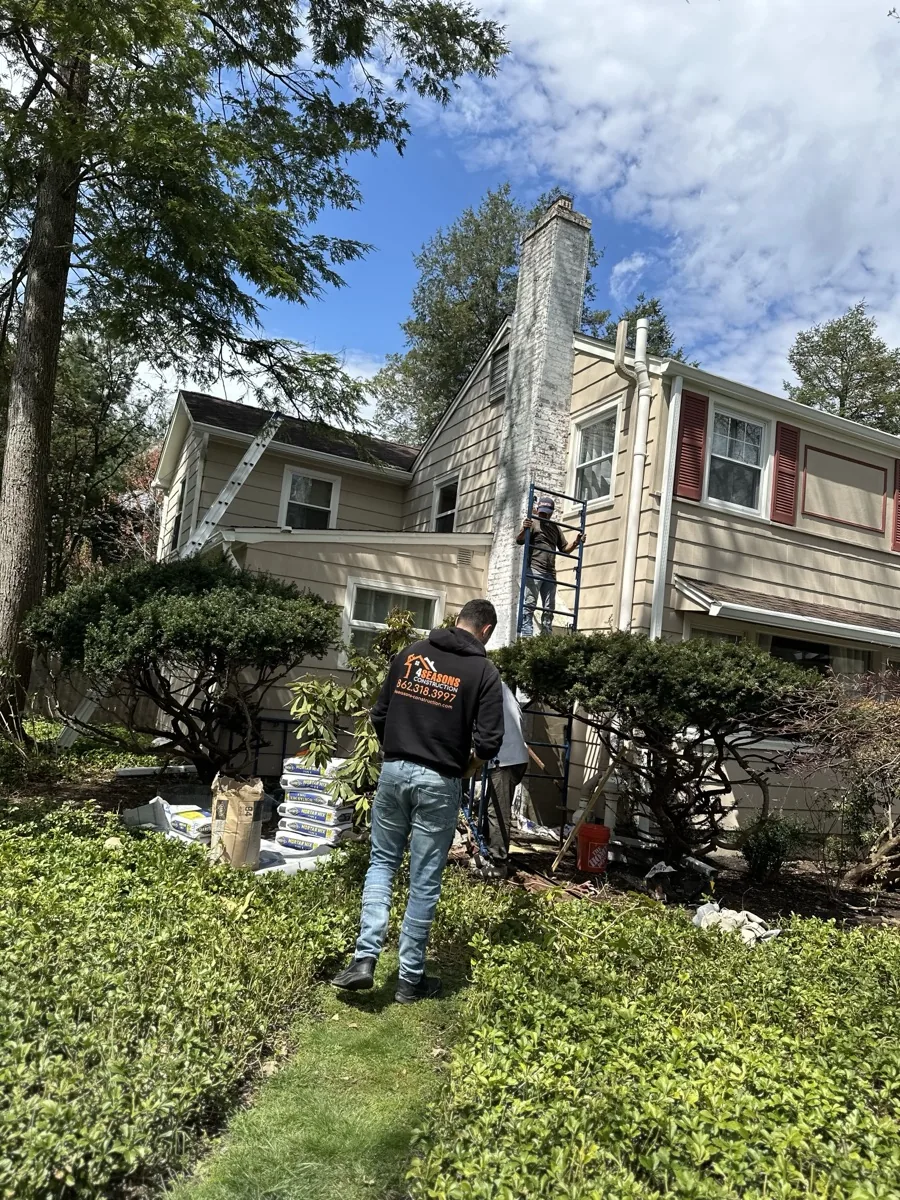
Who Covers What on a Summit Job
| Part of the job | Backed by | For how long |
|---|---|---|
| Warranty for the proposed service | Ask for written coverage | Review the stated term |
| Product coverage | Check the selected manufacturer's document | Product-specific terms |
| Inspection and photo report | Four Seasons | Free, before any quote, no obligation |
| The estimate | Four Seasons | Written and itemized before work starts |
| Permit and inspection | Summit building department | Confirm in the written estimate who files it |
BusinessRate TOP 3 · 2026 A Top 3 roofing contractor in Clifton, NJ, based on verified Google reviews. View the full awards page →
What Summit Customers Say on Google
5.0 average rating
Selected Google reviews. Read all reviews on Google below.
“I setup a work order for our roof yesterday and needed someone to come out and fix it. Florian came out to fix our roof, he was very professional and got the work done properly and quickly. 10/10 recommended!”
“Four Seasons Construction just cured my 6 year roof headache. After moving into a house with a roof that was replaced the year before, I was constantly dealing with leaks and shoddy workmanship that the other company would take months to resolve. Four Seasons came to look at the roof, found all the problems, and fixed it to perfection in no time. I can finally sleep at night thanks to these guys! You're the best!!!”
“Thank you Ben for saving me in a pinch. Not only was he able to come out and fix the problem with very short notice they did a stellar job. Additionally, Ben was super friendly and explained everything he was going to do before they did it. 10 out of 10 Would definitely recommend!”
A Plain Estimate for Your Summit Chimney
You get a free inspection with photos and a written fix for what your chimney needs. Based in Clifton at 38 Speer Ave, we cover Summit and the towns around it.
Ask for the written warranty coverage and term before work starts. Seniors and military take $500 off, and 0% financing is available.
Call (862) 318-3997 Get a Free Chimney Estimate
For a written estimate on the Summit chimney, call (862) 318-3997 or send the form on this page.
How a Summit Job Actually Runs
You reach out
Call (862) 318-3997 or send the form. We only need the address and what you are seeing.
Free inspection
Four Seasons comes out to look at the chimney, and the inspection is free with no obligation to hire us.
We photograph what we find
You see photos of the problem, such as a cracked crown or brick faces flaking off.
Written itemized estimate
You get it in writing, itemized line by line, before work starts. Repointing is priced by area.
The work
Repairs run top to bottom: crown, brick and mortar, flashing, caps and dampers, then waterproofing.
Warranty coverage
Ask to review the written coverage.
Chimney Repair FAQs for Summit
How much would it cost to repair a chimney in Summit?
Summit estimates come in writing before work starts, scaled to what the inspection finds, with flashing and repointing at the smaller end and a rebuild quoted separately.
How do I stop rain water from coming down my chimney in Summit?
Rain entering a Summit flue usually comes through a damaged cap or crown. We inspect the suspected entry point and describe the repair in writing before confirming its schedule.
How long should repointing a chimney last in Summit?
For a Summit chimney the service life depends on the existing masonry, the mortar specification and moisture conditions. Ask how the proposed work addresses the cause of deterioration and how the mortar will suit the older brick before approving repointing.
Can a leaning chimney be fixed in Summit?
If the chimney visibly leans, the structure is compromised, so treat it as urgent and keep people out of the area below it. Whether a Summit chimney is braced or partly rebuilt is decided with someone looking at it.
Can an old chimney be repaired in Summit?
Yes, including brick on Summit's Victorian-era houses. We compare a sample for size, color range and joint style, and you can review the proposed match before work begins, though weathered older brick may not have an exact replacement.
Does chimney repair require a permit in Summit?
In Summit the Construction Division at City Hall, 512 Springfield Avenue, handles permits, and the city wants inspection requests in writing under the state construction code. Where a permit is required, confirm in the written estimate who files it and books the inspection.
Getting to Your Summit Block
Brantwood Park
Off Springfield Avenue into the quieter residential streets of the Brantwood Park section.
Tall Oaks
Across the Tall Oaks blocks, reached easily off Morris Avenue and the streets feeding it.
Downtown Summit
Springfield Avenue straight into the Summit Downtown Historic District and the blocks around Broad Street.
Our Google listing
Summit, NJ
Keep reading: where we work
Driving Directions to Four Seasons From Around Summit
Summit borders seven municipalities and the maps start from three of them, New Providence, Berkeley Heights and Millburn, each routed turn by turn to 38 Speer Ave in Clifton.
From New Providence, NJ
Roads between New Providence and Summit: Springfield Avenue (CR 512); South Street (CR 647).
Straight-line distance between map points: about 2.6 miles, not a drive time.
From Berkeley Heights, NJ
Roads between Berkeley Heights and Summit: Springfield Avenue (CR 512); Maple Street.
Straight-line distance between map points: about 5.0 miles, not a drive time.
From Millburn, NJ
Roads between Millburn and Summit: Springfield Avenue; Millburn Avenue (CR 527).
Straight-line distance between map points: about 2.8 miles, not a drive time.
Get a free chimney estimate
We inspect first and photograph what we find, then give you an itemized number in writing. There is no obligation, and 0% financing is available.
- Free inspection before any quote
- Written estimate, itemized line by line
- Review the written warranty terms
Rather talk it through? (862) 318-3997