
Siding Contractor in Plainfield, NJ
Clifton-based, NJ HIC #13VH11720500. Ask for written warranty terms.
- 5.0 rating on Google
- NJ HIC #13VH11720500
- Free, no-obligation estimates
We at Four Seasons Roofing and Construction install and repair siding in Plainfield, NJ. What is under the existing siding gets examined before the new siding goes on. The estimate comes written and itemized, with each choice and what it costs laid out.
- House wrap and flashing checked before new siding goes on
- Written, itemized estimate before any work starts
- 0% financing available, plus a $500 senior & military discount
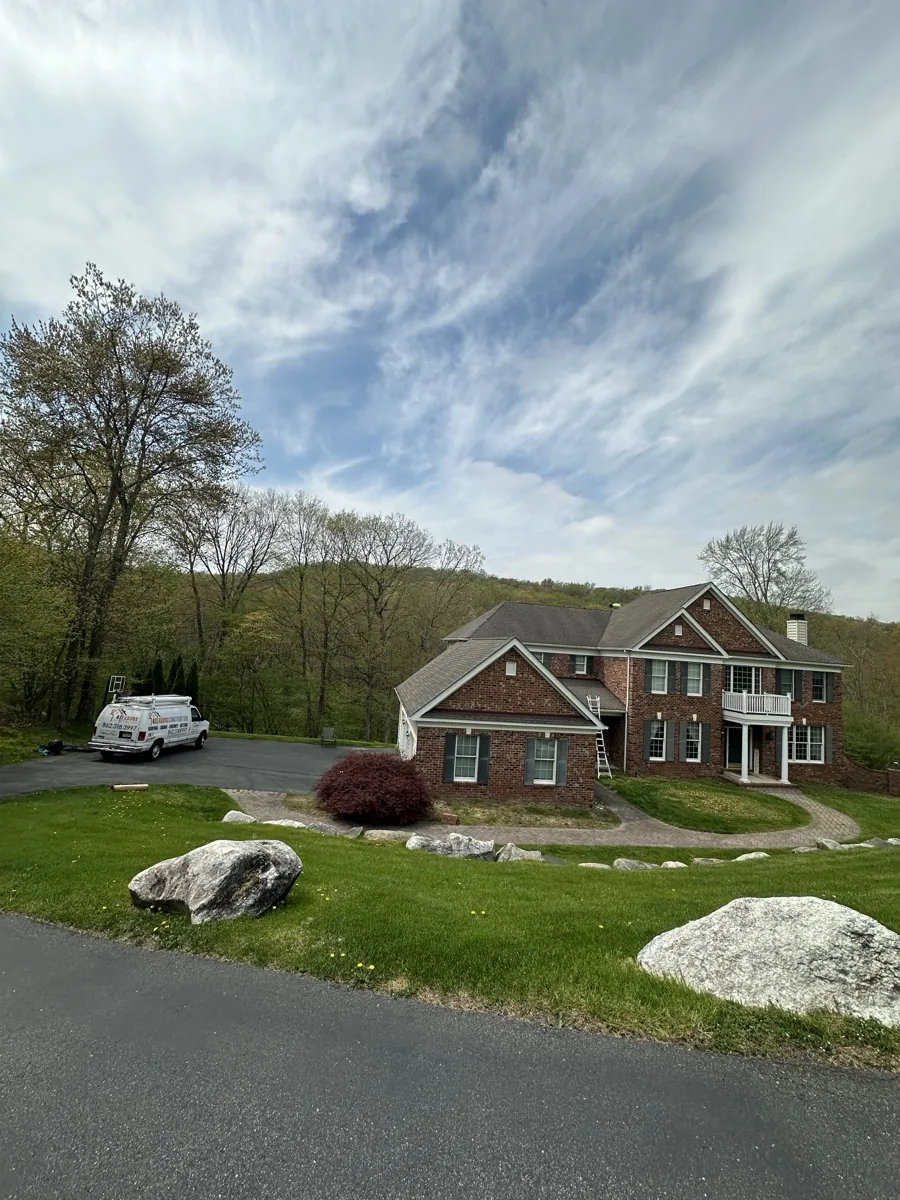
The Facts on Four Seasons Roofing and Construction in Plainfield
We at Four Seasons Roofing and Construction provide siding in Plainfield.
We are a home improvement contractor based at 38 Speer Ave in Clifton, New Jersey. We have held New Jersey Home Improvement Contractor registration #13VH11720500 since 2021.
We install GAF and Owens Corning roofing systems. Cedar Brook Park and Netherwood Heights are within Plainfield.
See every roofing service we offer · Request a free siding estimate
Keep reading: Who Signs Off on the Work in Plainfield
Ring (862) 318-3997 for your siding, or leave your details in the form on this page, and a written estimate comes back to you.
Before changing siding on a Plainfield property, establish whether it is a designated historic site or within a local historic district. The city's rules can require review of a street-visible exterior change even when a construction-permit exemption applies.
Bring photographs of the existing wall in Plainfield, including corners and window trim, before choosing a replacement profile. The question is what can be retained or repaired and what evidence supports replacing it.
Strip and Check the Wall
Ask what needs to be exposed to assess the existing wall and how any damaged backing will be documented. The repair scope should be agreed before that area is covered with new siding.
Across the Whole City
We serve Plainfield, including Sleepy Hollow, the West End and Netherwood. Call to discuss the affected wall and current inspection availability.
One Number You Hold Us To
The estimate is itemized in writing. Ask how any change in the agreed scope or concealed repair work would be documented and approved.
Who Signs Off on the Work in Plainfield
Under New Jersey rules, repairing or replacing existing siding on a one- or two-family house is usually ordinary maintenance, with polypropylene siding as the exception. Structural work, or any other change beyond that category, should be checked separately with the Plainfield building department.
Where a permit is required, confirm in the written estimate who handles it and coordinates inspections. Ask about any additional historic or floodplain review that applies to the specific property.
We are registered with the New Jersey Division of Consumer Affairs as a home improvement contractor, NJ HIC #13VH11720500. You can check that on the state licence verification portal before you hire us, or anyone else. We install GAF and Owens Corning roofing systems but are not enrolled in either manufacturer's contractor certification program.
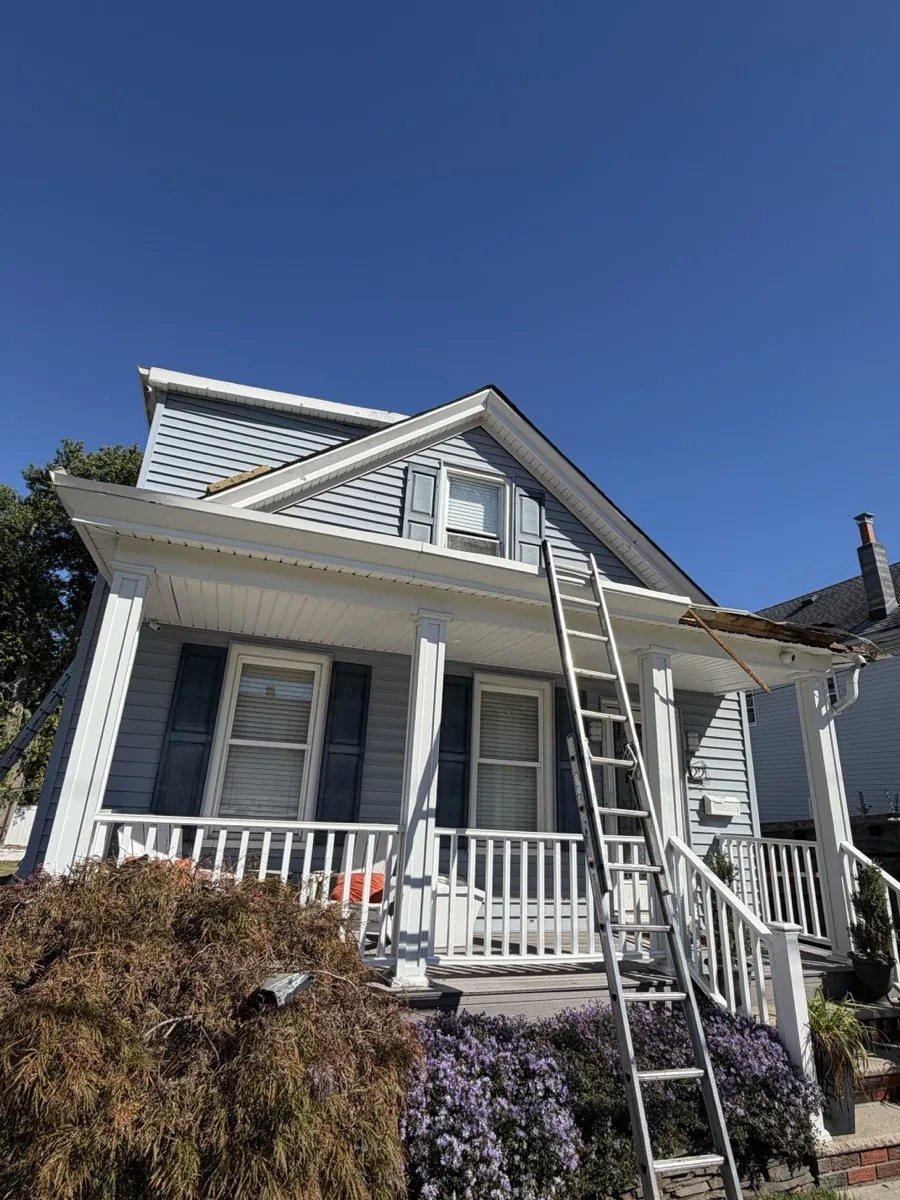
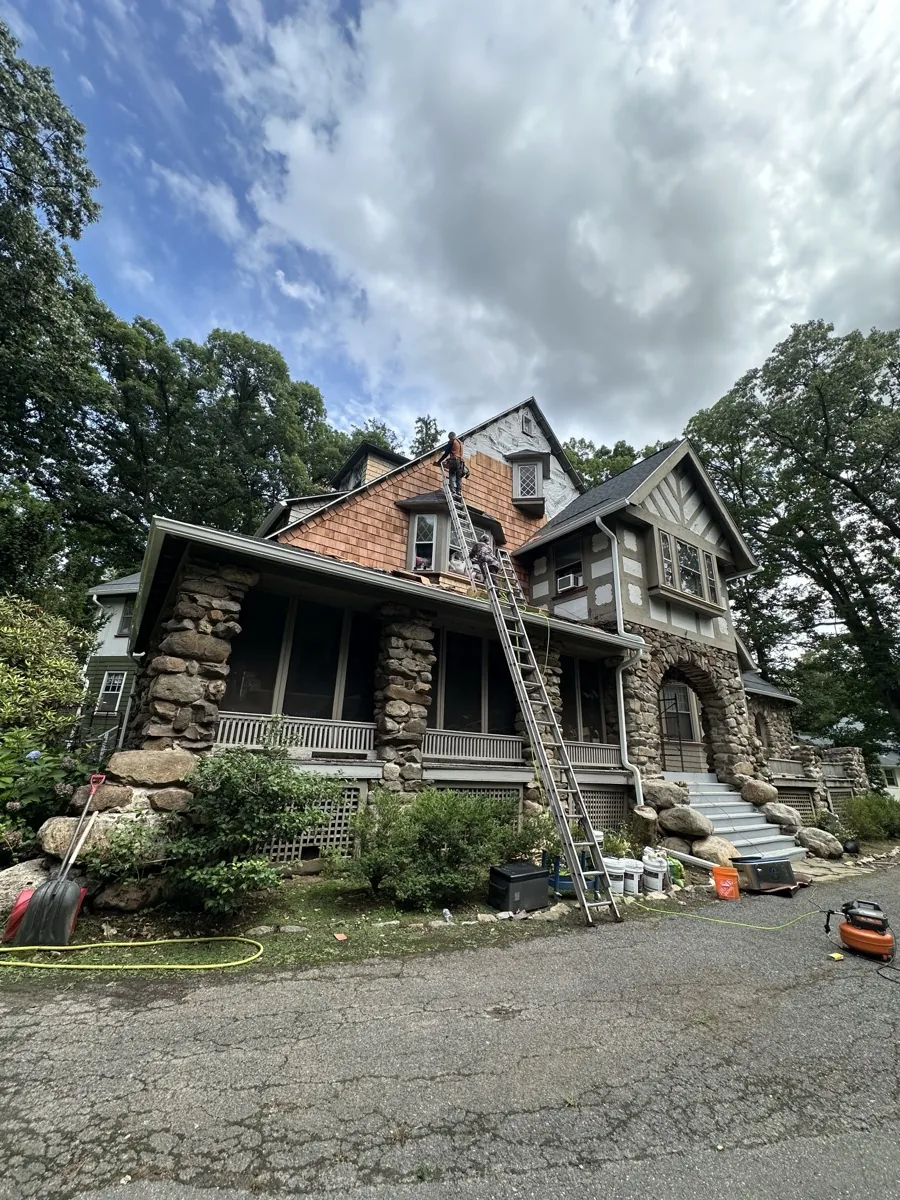
Other Work We Do in Plainfield
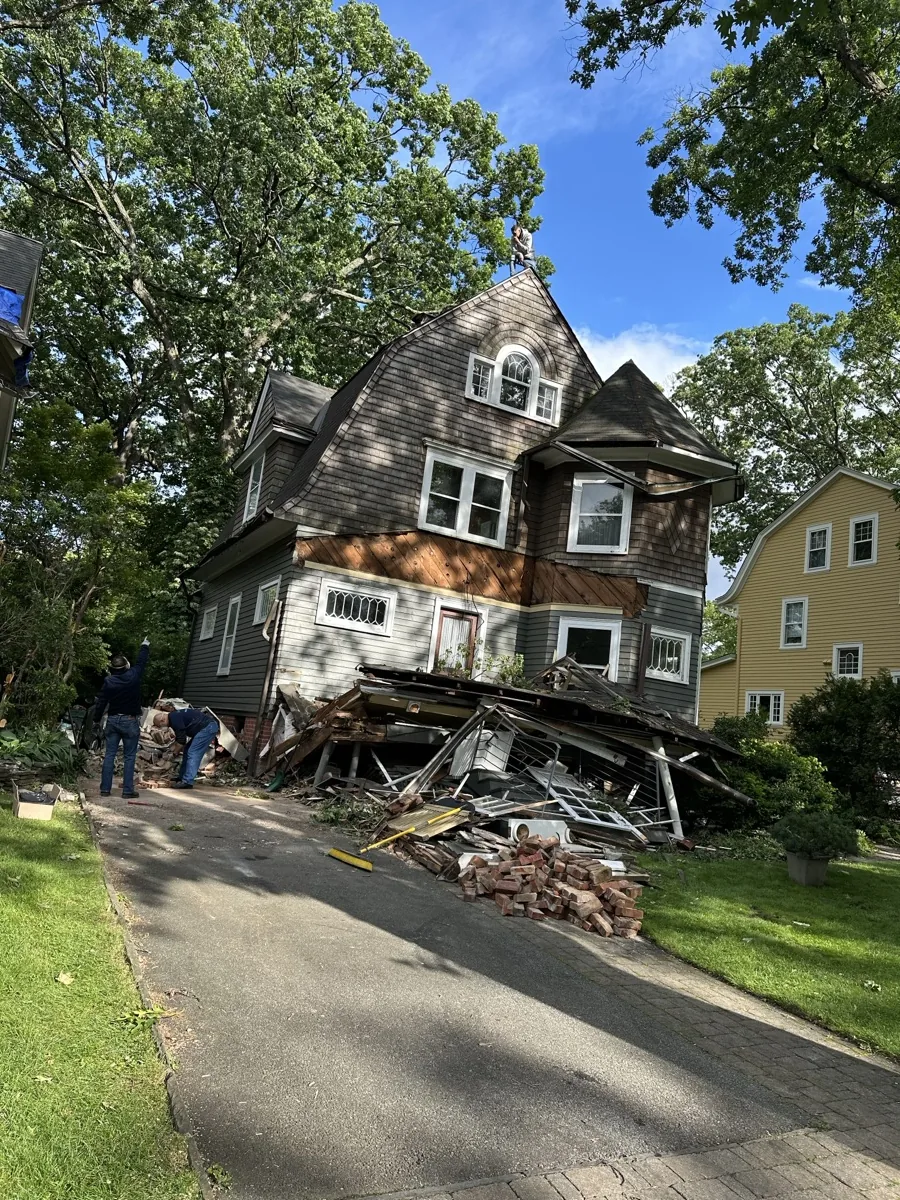
Plainfield Eaves and the Siding Below Them
A stain below an eave calls for an inspection of the wall. Record the staining after rain and include the gutter, roof edge and upper trim in the assessment.
If the findings point to a roof defect, the proposal can identify the relevant Plainfield NJ roof repair separately. Repeated freezing and thawing in Plainfield (NOAA 1991-2020 normals) widens small gaps at corners and window trim. Once water is behind a panel, the next freeze pushes it further in, so sealing and flashing details matter.
Why Plainfield Siding Ages the Way It Does
On painted wood siding, the condition of the coating and the condition of the wood are separate observations. Repeated peeling near one joint should prompt a moisture investigation before any decision to cover the whole elevation.
For older Plainfield properties, preserve the record of previous repairs and any existing approval for exterior work. It can help distinguish a recurring problem from a recent isolated defect.
Keep reading: What We Find Behind Old Plainfield Siding
What We Find Behind Old Plainfield Siding
Rotted sheathing under the bottom courses
Where deterioration is found at a lower course, ask how its extent was established and what keeps that area wet. Replacement material belongs in a repair scope that also addresses the identified water source.
No house wrap, or wrap that crumbled
The existing layers need to be identified before deciding which ones will remain. A new outer covering requires a suitable backing and drainage detail.
Missing flashing at windows
A decorative window casing and its weather-shedding detail do different jobs. Discuss how the visible trim can be retained where appropriate while the proposed siding work provides the required connection around the opening.
Panels nailed dead tight
A vinyl panel's nail flange and locking edge are part of its installation system. If a repair involves a different profile, verify that the two are compatible, beyond similar color or face width.
Matching Siding Across Plainfield's Mixed Blocks
For a designated property in areas such as Van Wyck Brooks or the Crescent Area, compare the existing clapboard exposure, edge thickness and relationship to the trim. National Park Service guidance shows why matching exposure alone can still produce a different shadow line.
Take that comparison to the local review process where it applies. A substitute material should be evaluated against the actual building.
We serve Plainfield, including the areas around Cedar Brook Park and Netherwood Heights. Tell us which wall needs attention and whether previous exterior approvals or product records are available for the visit.
A Plainfield Siding Calendar
For work subject to historic review in Plainfield, allow for the actual approval process before ordering material or setting the installation sequence.
Product handling and the weather forecast also affect the work, so ask how the exposed portions will be protected if removal reveals a problem that needs a revised scope.
Related Work Around Plainfield
Serving all of Plainfield: Plainfield Roofing Contractor is the hub for everything we do in town.
For damage in one spot only, siding repair services handles it without re-siding the house, and the main siding page walks through how we work.
If the roof above the wall is the real source, a full Roof Replacement in Plainfield is the next call. Same job, nearby towns: siding in Scotch Plains and Fanwood.
When the Siding Has Reached the End of Its Life
A worn coating does not, by itself, establish that historic Plainfield siding cannot be repaired, so start with a condition assessment and identify the features whose dimensions or surface detail would change under a replacement proposal.
Where older painted material will be disturbed, verify the applicable lead-safe requirements and the firm's qualification, since a building's historic designation and its paint-safety requirements are separate checks.
Vinyl, Fiber-Cement, and Which One Suits Your House
A replacement panel should be compared at the wall, including its profile beside retained corner boards and window casings. On a designated Plainfield property, the material choice also needs to fit the approved exterior treatment.
Storm Damage and the Insurance Side
Keep photographs and a written description of the siding damage for your insurer, since the coverage decision belongs to the insurer and an exterior contractor can describe only the condition and the proposed work.
Ask what evidence should be retained before damaged material is discarded, and for a Plainfield property with exterior-review requirements, discuss the repair proposal with the appropriate local office as well.
Where Siding Money Actually Goes
Have the estimate separate the wall preparation from the siding and trim you select. On a detailed elevation, identify which existing components will be reused and how additional damage would be handled if it is discovered.
The stated offers are $500 off for seniors and military personnel and 0% financing, and the terms should be reviewed alongside the agreed work.
Repair the Wall or Replace All the Siding
For a historic feature in Plainfield, a repair option should identify the sound material that can remain, and if replacement is proposed, ask what condition makes repair impractical and how the new work will match the retained features.
A complete elevation and a small repair also create different junctions with adjoining walls, so include those edges in the comparison, along with square footage.
Trim, soffit, and fascia each need a condition check and a proposed treatment, including any decorative pieces that should remain, and on a designated Plainfield property the approved exterior scope should be confirmed before trim profiles change.
Our Google rating is 5.0, and the individual reviews describe different jobs: Erica Zocco wrote about siding on a new addition and the team's work and cleanup, which is useful when discussing how a new area will meet the existing house.
A Few More Siding Answers
Can siding be installed in the rain in Plainfield?
When rain is possible, ask how exposed Plainfield walls will be protected while the siding is removed, since temporary weather protection and housewrap are the answer to that question.
Can siding be installed in winter in Plainfield?
That depends on the product requirements and conditions at the property, so ask how cold-weather handling, wall protection and any required exterior approvals affect the proposed start in Plainfield.
Who Covers What on a Plainfield Job
| Part of the job | Backed by | For how long |
|---|---|---|
| Warranty for the proposed service | Ask for written coverage | Review the stated term |
| Product coverage | Check the selected manufacturer's document | Product-specific terms |
| Inspection and photo report | Four Seasons | Free, before any quote, no obligation |
| The estimate | Four Seasons | Written and itemized before work starts |
| Permit and inspection | Plainfield building department | Confirm in the written estimate who files it |
BusinessRate TOP 3 · 2026 A Top 3 roofing contractor in Clifton, NJ, based on verified Google reviews. See our awards →
What Plainfield Customers Say on Google
5.0 average rating
Selected Google reviews. Read all reviews on Google below.
“I called Ben from Four Season Roofing and Construction to fix my siding and some roof leaks. Working with Ben and his crew was one of the best experience I had with any contractors. These guys were very professional with outstanding workmanship. I have absolutely no complaints with Four Season Roofing and I will work with them again in the future. Thank you Ben for coming through at the last minute to take care of me.”
“We used 4 Seasons Construction to complete our siding on our new addition. Ben and his team did a great job. They showed up on time, worked hard, cleaned up, and completed the projects quickly and as scheduled. They are extremely professional and accommodating! We look forward to working with them again!”
“Hired 4 seasons to do my siding and I’m very happy with the work! The owner Bes was there every step of the way, answered all my questions, sent me pictures, I felt very comfortable trusting 4 seasons. I will be using them again to do my roof. Thank you 4 Bes and 4 seasons! P.S A+ on cleanup”
Let Us Price Your Plainfield Siding
We work out of 38 Speer Ave in Clifton and cover all of Plainfield and the towns around it, Scotch Plains and Fanwood, North Plainfield and South Plainfield, Dunellen and Piscataway. Calls are accepted 24/7; discuss assessment availability when you contact us.
Call (862) 318-3997 Get a Free Siding Estimate
Nearby siding: Scotch Plains and Fanwood, or see all the towns we serve.
How a Plainfield Job Actually Runs
You reach out
Call (862) 318-3997 or send the form. We only need the address and what you are seeing.
Free inspection
Four Seasons comes out to look at the siding, and the inspection is free with no obligation to hire us.
We photograph what we find
You see photos of the problem, such as a cracked panel or soft wood behind loose siding.
Written itemized estimate
You get it in writing, itemized line by line, before work starts. Square footage and material tier set the price.
The work
What sits under the old siding gets checked before the new goes on.
Warranty coverage
Ask to review the written coverage.
Siding Questions Plainfield Customers Ask
Can damaged siding be repaired in Plainfield?
Often, yes: on a designated Plainfield property, assess what can be repaired or retained and check the applicable exterior-review requirements before deciding where the replacement boundary falls.
Can you put new siding over old siding in Plainfield?
Do not choose an overlay before assessing the existing material and the proposed attachment and drainage details. Covering a historic feature in Plainfield may also change its appearance or require local approval.
Is siding replacement covered by home insurance in Plainfield?
Ask your insurer about coverage for the reported damage in Plainfield, because the coverage decision is the insurer's. The estimate can set out the proposed siding work and observed condition without promising a claim outcome.
Does siding replacement require a permit in Plainfield?
Under New Jersey rules, repairing or replacing existing siding on a one- or two-family house in Plainfield is usually ordinary maintenance, with polypropylene siding as the exception. Structural work or any other change beyond that category should be checked with the Plainfield building department, and historic or floodplain review may apply to the specific property.
Where We Work Around Plainfield
Our Google listing
Plainfield, NJ
Keep reading: where we work
Driving Directions to Four Seasons From Around Plainfield
Choose a starting town below for driving directions to our base at 38 Speer Ave in Clifton.
From North Plainfield, NJ
Roads between North Plainfield and Plainfield: Somerset Street; Pearl Street (CR 531).
Straight-line distance between map points: about 0.3 miles, not a drive time.
From Scotch Plains, NJ
Roads between Scotch Plains and Plainfield: Front Street (CR 620); Westfield Avenue.
Straight-line distance between map points: about 3.0 miles, not a drive time.
From South Plainfield, NJ
Roads between South Plainfield and Plainfield: Park Avenue (CR 531); Maple Avenue (CR 602).
Straight-line distance between map points: about 2.9 miles, not a drive time.
Get a free siding estimate
We inspect first and photograph what we find, then give you an itemized number in writing. There is no obligation, and 0% financing is available.
- Free inspection before any quote
- Written estimate, itemized line by line
- Review the written warranty terms
Rather talk it through? (862) 318-3997