
Emergency Roof Repair Phillipsburg NJ
Clifton-based, NJ HIC #13VH11720500. 2-year roof-repair warranty.
- 5.0 rating on Google
- NJ HIC #13VH11720500
- Free, no-obligation estimates
We at Four Seasons Roofing and Construction handle emergency roof repair in Phillipsburg, NJ, a town on the Delaware River at the western edge of the state. The leak gets tarped first and the written estimate comes after. Call (862) 318-3997 to discuss current availability.
- Tarping and dry-in first to stop the damage, paperwork after
- Licensed and insured, NJ HIC #13VH11720500
- Rated 5.0 on Google
The Facts on Four Seasons Roofing and Construction in Phillipsburg
We at Four Seasons Roofing and Construction provide emergency roof repair in Phillipsburg, the most populous town in Warren County. We are a home improvement contractor based at 38 Speer Ave in Clifton, New Jersey; we have held New Jersey Home Improvement Contractor registration #13VH11720500 since 2021, and we install GAF and Owens Corning roofing systems.
See every roofing service we offer · Request a free roof estimate
Keep reading: Who Signs Off on the Work in Phillipsburg
Water coming in right now? Call (862) 318-3997 any hour of any day and we answer. We serve Phillipsburg from our base at 38 Speer Ave in Clifton, so ask about current availability when you call.
Phillipsburg sits where the Lehigh River runs into the Delaware, across the water from Easton, with Pohatcong Mountain running northeast out of town toward Washington. If there is already a bucket on the floor, skip ahead and call.
Honest Diagnosis
Describe what you can see and ask about the appropriate assessment and current availability.
Real Time Estimates
We do not promise an arrival window to Phillipsburg that we cannot keep, so you get a plain answer on timing when you call.
Straight Answers
Whether filing makes sense at all depends on your deductible, and we will give you an honest read on that math before you commit to anything.
Who Signs Off on the Work in Phillipsburg
In Phillipsburg the building, electrical, plumbing and fire permits all go through the town Inspections Division at 120 Filmore Street. Confirm the permit requirements for the proposed work with the department. When a job needs a permit, it is filed there, so confirm in the written estimate who files it and books the inspection.
We are registered with the New Jersey Division of Consumer Affairs as a home improvement contractor, NJ HIC #13VH11720500. You can check that on the state licence verification portal before you hire us, or anyone else. We install GAF and Owens Corning roofing systems but are not enrolled in either manufacturer's contractor certification program.
Other Work We Do in Phillipsburg
- Flat Roof Repair in Phillipsburg
- Roof Leak Repair in Phillipsburg
- Phillipsburg NJ Roof Repair
- Roof Replacement, Phillipsburg NJ
Keep reading: More Help in Phillipsburg
More Help in Phillipsburg
Serving all of Phillipsburg: Roofing in Phillipsburg is the place to start. After the emergency comes the permanent fix, and roof repair Phillipsburg NJ handles that, while roof replacement in Phillipsburg lays out the tear-off if the storm damage is beyond repair.
Storm damage roof repair explains the insurance process we help with, and NJ roof leak repair covers the drips that show up weeks later. The main NJ emergency roof repair page explains the around-the-clock line, and our service areas page lists every town.
What Counts as an Emergency on a Phillipsburg Roof
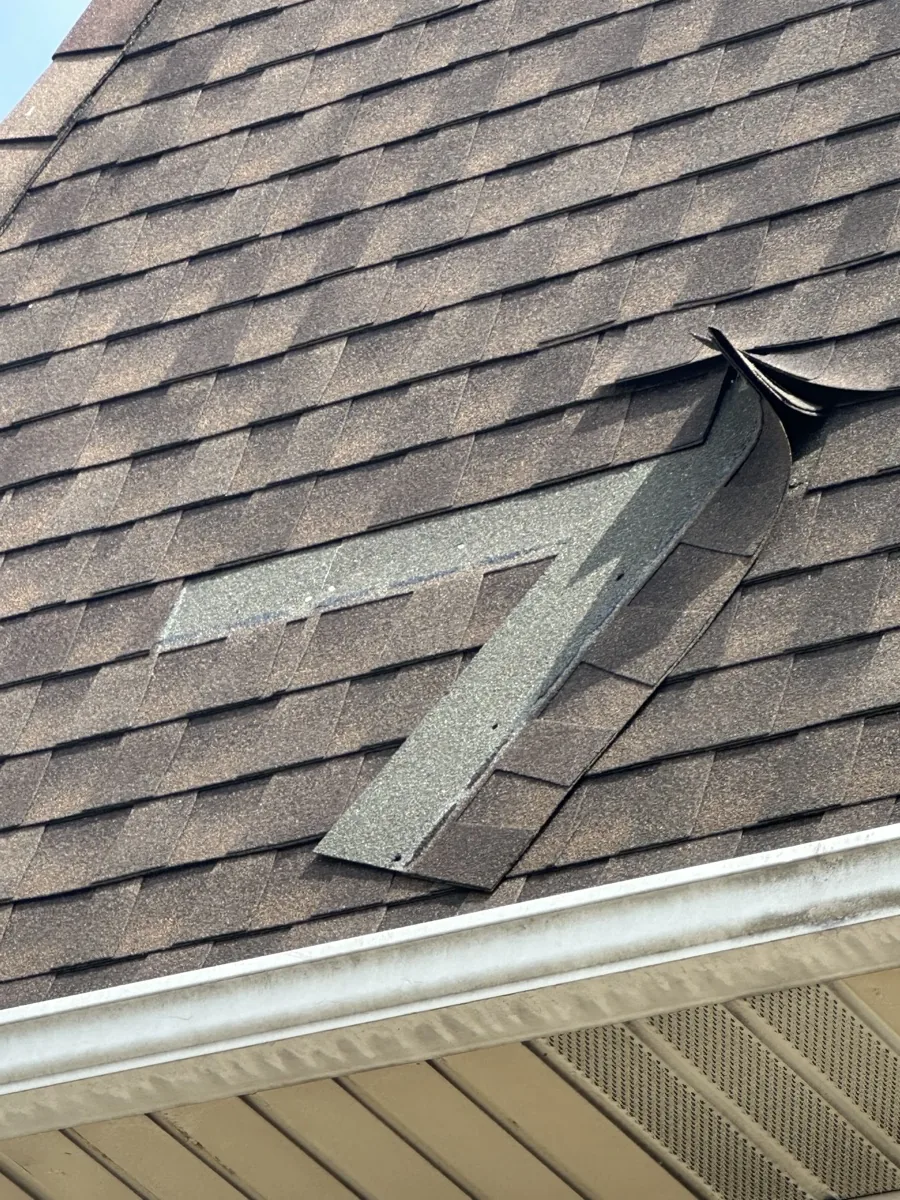
If water is still moving on your Phillipsburg roof, treat it as an emergency: a leak coming through a ceiling or fixture, a paint blister that is filling, daylight showing in the attic where it used to be dark, or limbs, slates or shingles down while more rain is coming. All of those leave the roof open to the weather.
A dry stain can wait for a regular appointment. Tell us over the phone exactly what you see, so we can set up the right response from our Clifton base.
Keep reading: Reaching Phillipsburg From Our Clifton Base
Reaching Phillipsburg From Our Clifton Base
We serve Phillipsburg from 38 Speer Ave in Clifton. Interstate 78 crosses the town with no exit, the nearest interchange is in Pohatcong, and U.S. Route 22 and Route 122 carry most traffic through.
We do not name a guaranteed arrival window for Phillipsburg, so ask about current availability when you call. An active interior leak is tarped first.
The Emergencies Phillipsburg Actually Gets
Phillipsburg emergencies come from the usual causes: wind loosening shingles and flashing, a limb coming down in a summer storm, an ice dam at a valley in February, or an old flashing joint that fails on a rainy afternoon with no storm at all. Lopatcong Heights, Warren Heights, Delaware Park and Andover Furnace all sit at least partly inside Phillipsburg, so tell us which part of town you are in when you call.
Old Roofs Raise the Stakes
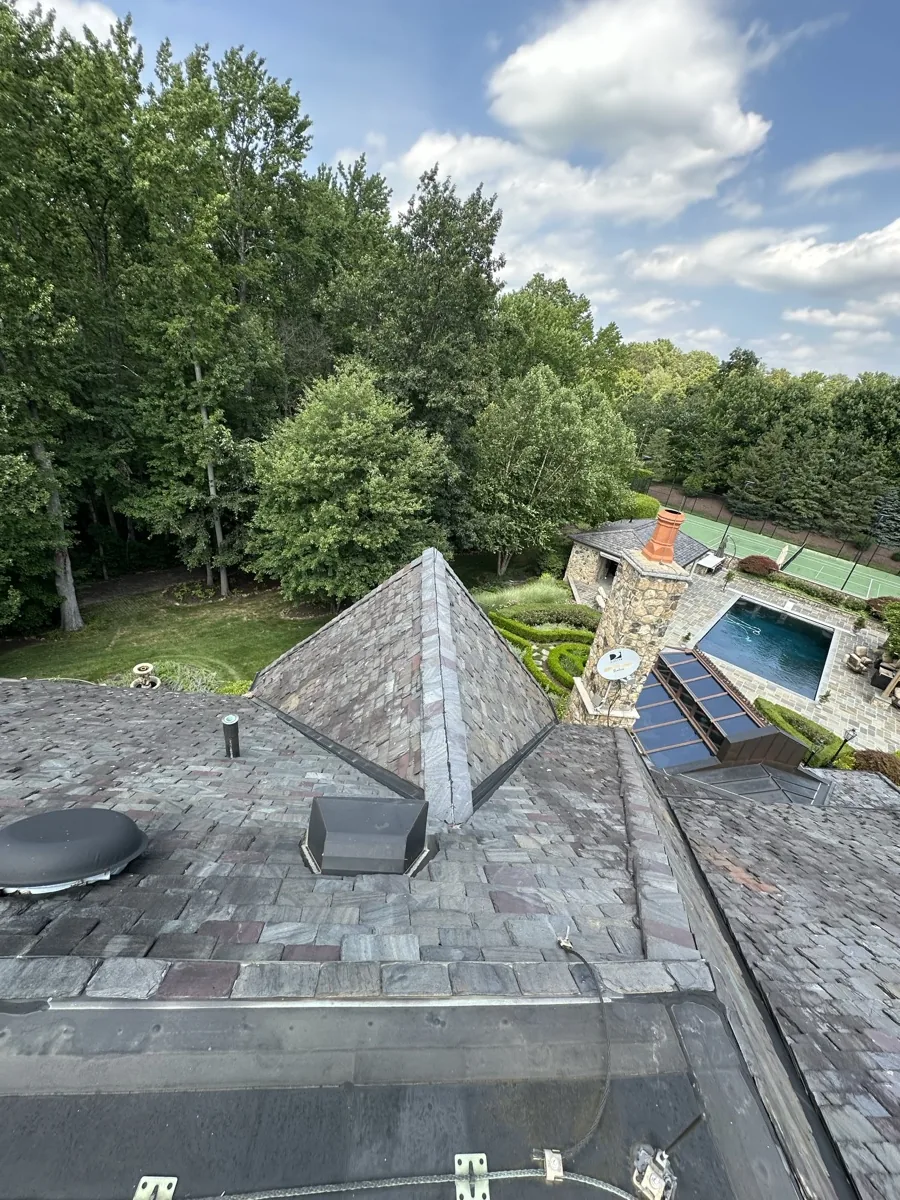
Phillipsburg has its own Historic Preservation Commission, so if your house falls under its review, say so on the call and we plan the permanent repair around it. For the emergency itself, please stay off the roof, the steep ones especially, and leave the tarp to us. We bring staging, roof brackets and slate hooks and save as much original material around the damage as we can.
The First Hour, Before Anyone Arrives
Until someone arrives at your Phillipsburg house, shift furniture, rugs and electronics out of the leak's path and put a bucket under the drip. If a ceiling bulges with trapped water, a screwdriver in the lowest spot drains it so the section stays up. Turn off the power to any wet fixture at the breaker.
Photograph and film the damage while it happens, because adjusters credit that over any reconstruction. From the ground, just look and skip the ladder, since wet slate is slippery, and tell us which part of Phillipsburg you are in when you call.
What Happens at a Phillipsburg Emergency Visit
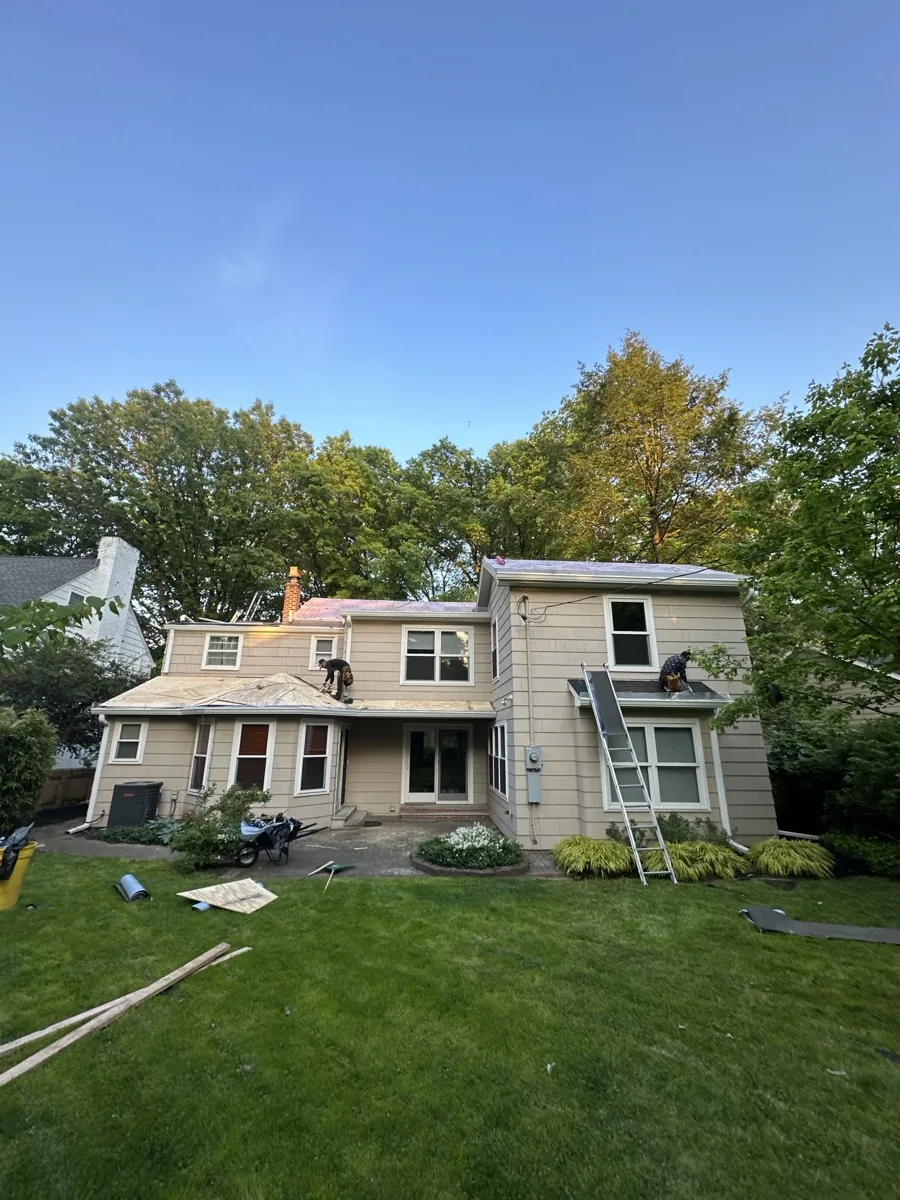
At a Phillipsburg house the first job is the leak itself. We find the entry point and cover it, with a tarp fastened along the framing on asphalt shingles and with materials that will not crack the surrounding slate on a slate roof, then photograph it before and after for the claim. Small damage usually finishes as roof repair in Phillipsburg, and heavier damage becomes a storm damage roof repair job with your insurer involved.
When Insurance Enters the Picture
On a Phillipsburg house, wind, falling limbs and ice are named perils in most homeowner policies, and the policy also requires you to keep the damage from spreading. A tarp over the opening counts as doing that, so keep its receipt, and do not wait for the adjuster before it goes on.
Our photos are dated and show where the water got in, what it damaged inside, and the cover we left, and the permanent fix gets its own written plan. If the Phillipsburg Historic Preservation Commission has a say over your house, mention it when you phone, since the plan is shaped around it.
After the Tarp Comes Off
The visit that stops the leak ends with a dry house, and the permanent fix is a second job with its own written scope and a photo beside every line. Matching slate pieces sometimes have to be sourced.
On a rental, note that Phillipsburg requires a Certificate of Habitability every year, with the owner booking the inspections, and the permanent work can be timed around them. Seniors and military homeowners get a $500 discount on that second job, and 0% financing is available.
Who Covers What on a Phillipsburg Job
| Part of the job | Backed by | For how long |
|---|---|---|
| Roof replacement | Four Seasons; review the written coverage | 50-year roof-replacement warranty |
| Roof repair | Four Seasons; review the written coverage | 2-year roof-repair warranty |
| Inspection and photo report | Four Seasons | Free, before any quote, no obligation |
| The estimate | Four Seasons | Written and itemized before work starts |
| Permit and inspection | Phillipsburg building department | Confirm in the written estimate who files it |
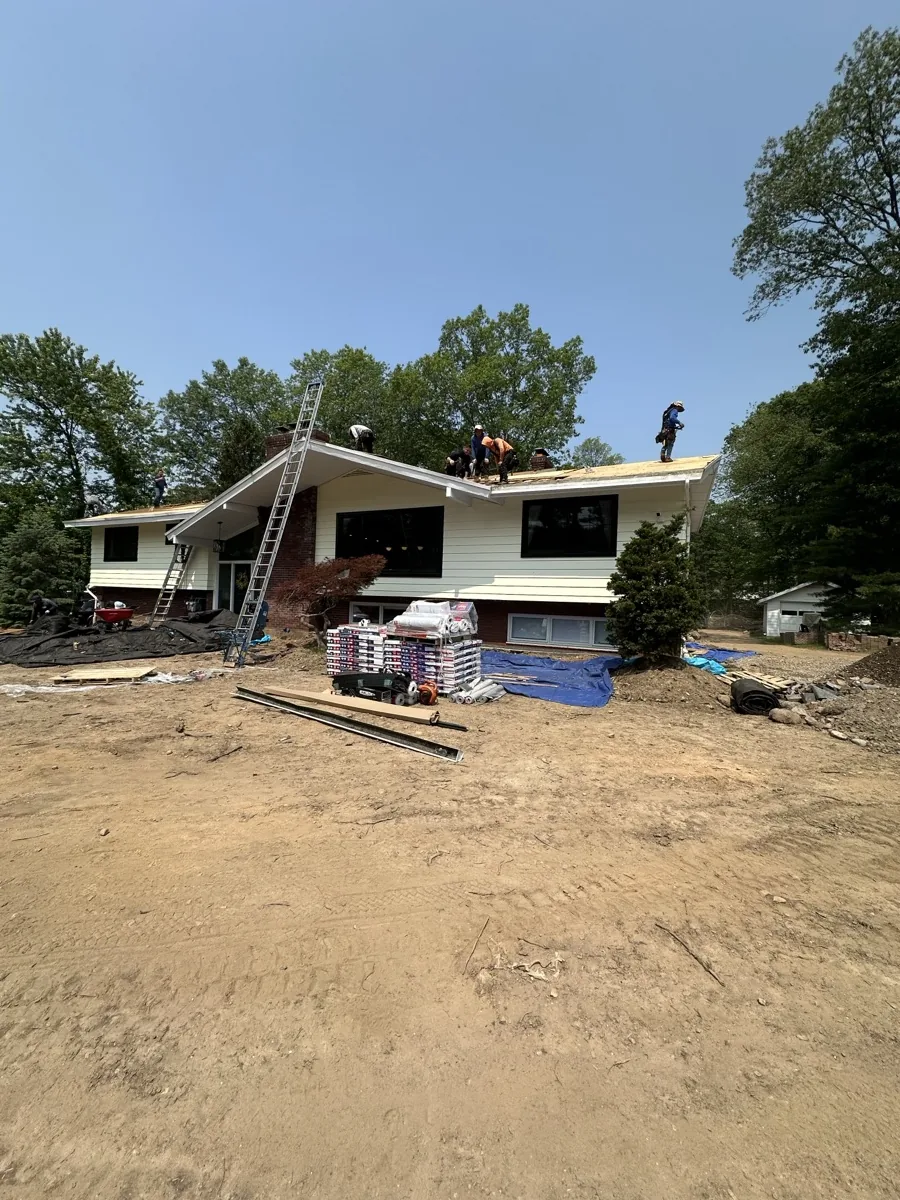
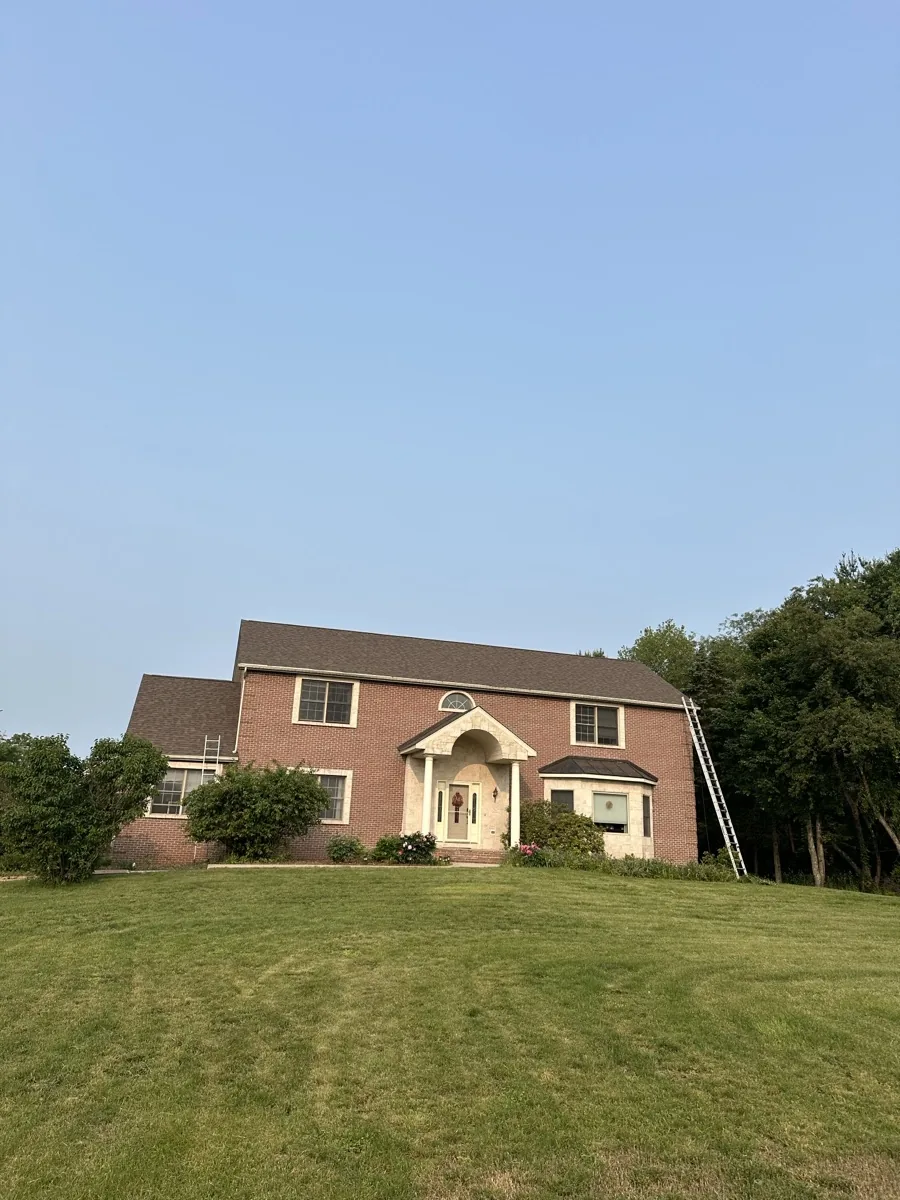
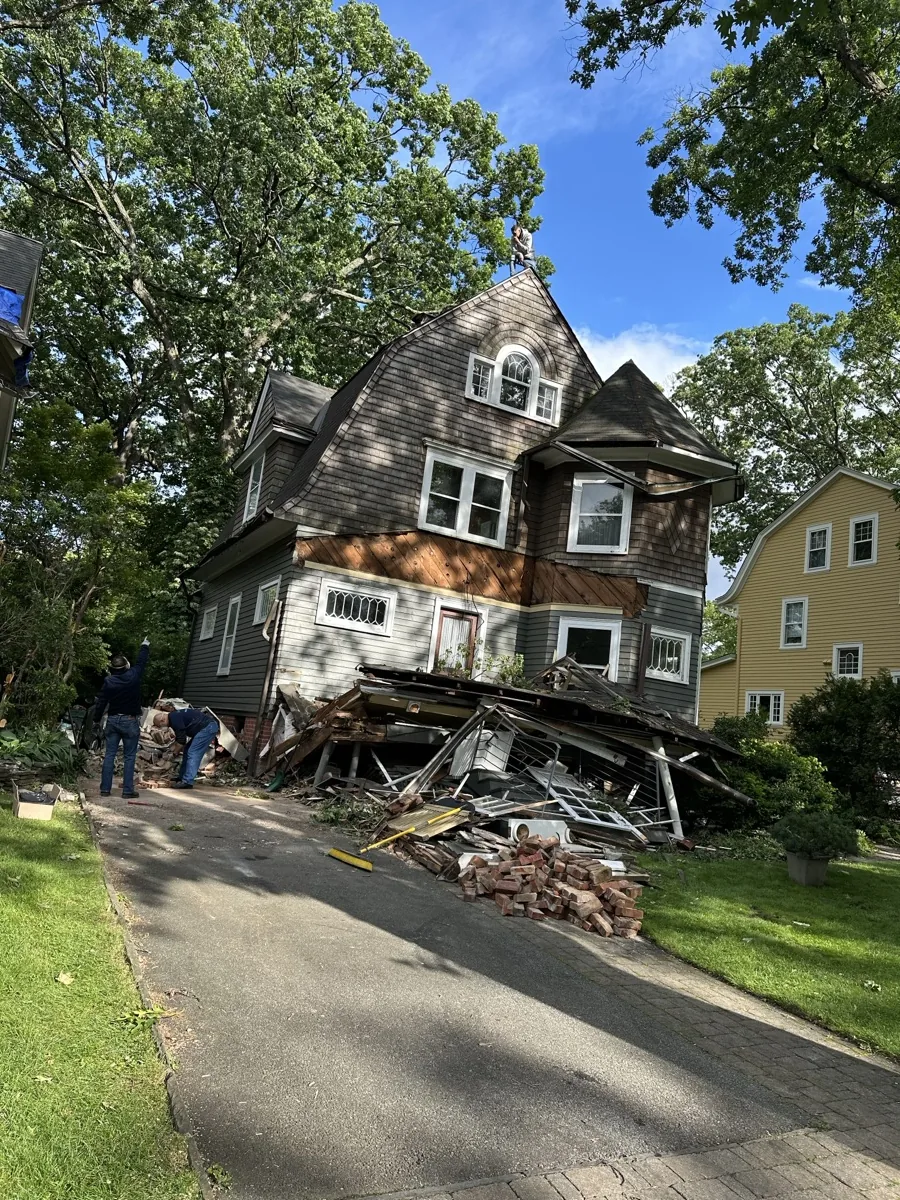
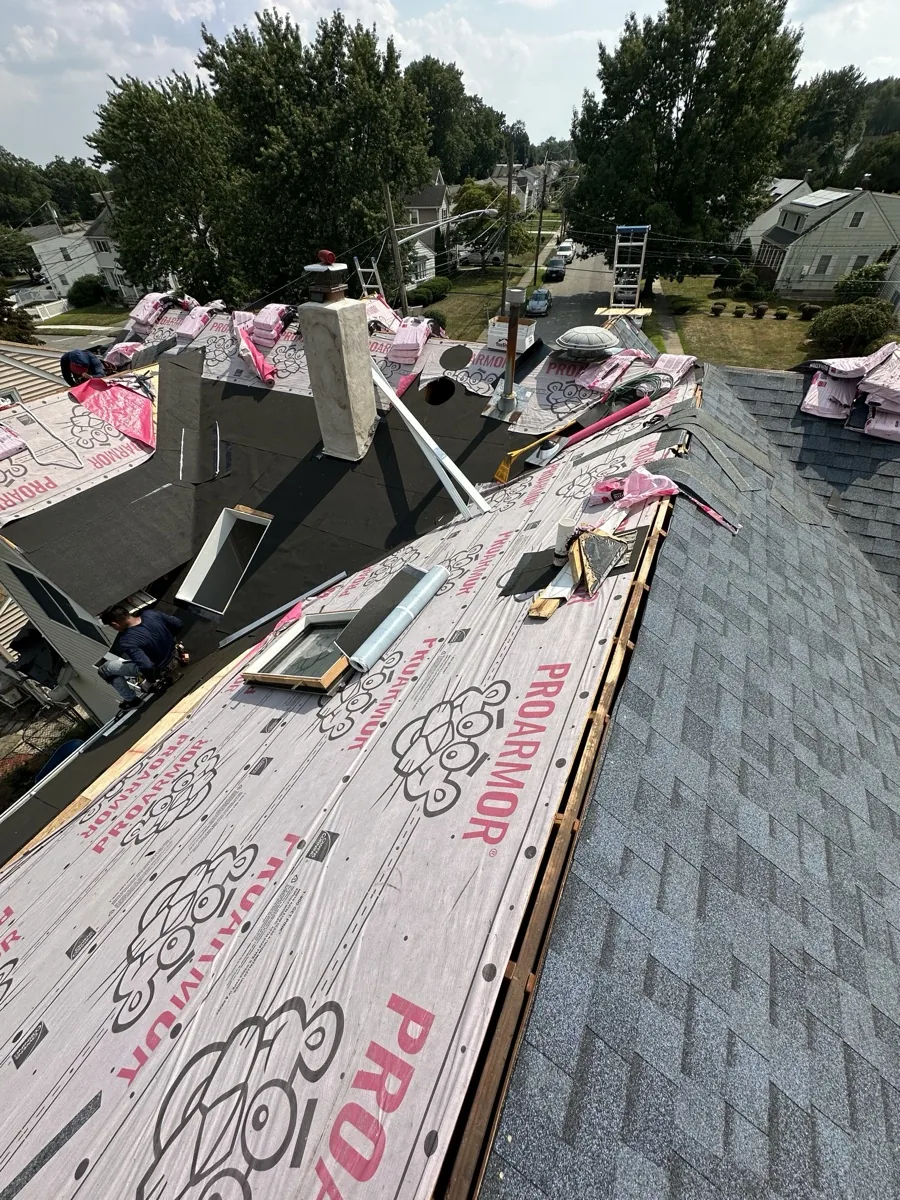
BusinessRate TOP 3 · 2026 A Top 3 roofing contractor in Clifton, NJ, based on verified Google reviews. View the full awards page →
What Phillipsburg Customers Say on Google
5.0 average rating
Selected Google reviews. Read all reviews on Google below.
“Very consultative and great communication. We’re first time homeowners and felt comfortable through this journey. Fair price and good service. Thank you Ben and team for repairing our roof.”
“We had a fantastic experience with Four Seasons Roofing! We hired them to repair our roof, and we couldn't be happier with the results. Ben, was an absolute pleasure to work with. He was not only professional and knowledgeable but also went above and beyond to provide exceptional service.…”
“I would like to share my wonderful experience not once but twice. Both times we had an emergency leak in the house and Besi picked up the call right away, I sent him pictures and he came the next day in the morning to repair the roof! They were very punctual and got the job done in a timely manner.…”
One Number to Call for a Phillipsburg Roof Leak
We at Four Seasons Roofing and Construction Inc work out of 38 Speer Ave in Clifton, NJ HIC #13VH11720500. Phillipsburg is one of four Warren County towns we serve, along with Belvidere, Hackettstown and Washington. We handle roofing, siding and chimney work.
Roof repairs carry a 2-year warranty and roof replacement carries a 50-year warranty; ask for the written warranty terms on any other proposed service. We answer the line 24/7. For the wider picture on urgent service across New Jersey, see our emergency roof repair overview, or call (862) 318-3997 or send the form.
Call (862) 318-3997 Get a Free Roof Estimate
Call (862) 318-3997 at any hour for a roof leak in Phillipsburg.
How a Phillipsburg Job Actually Runs
You reach out
Call (862) 318-3997 or send the form. We only need the address and what you are seeing.
Free inspection
Four Seasons comes out to look at the roof, and the inspection is free with no obligation to hire us.
We photograph what we find
You see photos of the problem, such as a cracked boot or a rusted valley.
Written itemized estimate
The material tier and the decking allowance are broken out as their own numbers, so you can change any of them before you sign.
The work
We install GAF and Owens Corning roofing systems. Bad boards get replaced as we find them and photographed one at a time.
After the job
Decking is billed against the allowance written into the contract. Our roof repairs carry a 2-year warranty, and roof replacements carry a 50-year warranty. Ask to review the written coverage.
Phillipsburg Emergency Questions, Answered Straight
How much does an emergency roof repair cost in Phillipsburg, NJ?
Most roof repairs land between $400 and $2,000 in 2026, going by the sources cited on our roof repair cost guide. A Phillipsburg price is set after the free inspection, because a slate roof, an older house, or a home under the Historic Preservation Commission's review changes what the permanent repair involves. The tarp and dry-in come first, and a written itemized estimate follows.
How urgent is a roof leak in Phillipsburg?
Treat it as an emergency when water is still moving: coming through a ceiling or fixture, filling a paint blister, or showing daylight in the attic while more rain is due. A dry stain on a Phillipsburg ceiling can wait for a regular inspection. When you are not sure which one you have, call (862) 318-3997 and describe it.
Will homeowners insurance cover an emergency roof repair in Phillipsburg?
Wind, falling limbs and ice are named perils in most homeowner policies, so a Phillipsburg storm leak is often worth reporting, though your own policy decides. Keep the receipt for the tarp, and we date our photos to show where the water got in and the cover we left. The permanent repair gets its own written plan, which is what the adjuster reviews.
Is Four Seasons available for emergency roof repair near Phillipsburg at night?
Yes, the line at (862) 318-3997 is answered 24/7. We serve Phillipsburg from 38 Speer Ave in Clifton, and the nearest Interstate 78 interchange is in Pohatcong, so ask about current availability instead of expecting a fixed arrival window. An active leak is tarped first.
Where We Work Around Phillipsburg
Our Google listing
Phillipsburg, NJ
Keep reading: where we work
Driving Directions to Four Seasons From Towns Around Phillipsburg
The route cards start in Lopatcong Township, Pohatcong Township and Alpha, and each one runs east to our base at 38 Speer Ave in Clifton.
From Lopatcong Township, NJ
Roads between Lopatcong Township and Phillipsburg: Memorial Parkway (NJ 57); Red School Lane.
Straight-line distance between map points: about 2.4 miles, not a drive time.
From Pohatcong Township, NJ
Roads between Pohatcong Township and Phillipsburg: South Main Street (NJ 122); CR 519.
Straight-line distance between map points: about 4.3 miles, not a drive time.
From Alpha, NJ
Roads between Alpha and Phillipsburg: South Main Street (NJ 122); 3rd Avenue (CR 519).
Straight-line distance between map points: about 2.6 miles, not a drive time.
Get a free roof estimate
We inspect first and photograph what we find, then give you an itemized number in writing. There is no obligation, and 0% financing is available.
- Free inspection before any quote
- Written estimate, itemized line by line
- 2-year roof-repair warranty
Rather talk it through? (862) 318-3997