
Siding Bridgewater NJ
Clifton-based, NJ HIC #13VH11720500. 2-year workmanship warranty.
- 5.0 rating on Google
- NJ HIC #13VH11720500
- Free, no-obligation estimates
BusinessRate TOP 3 · 2026 A Top 3 roofing contractor in Clifton, NJ, based on verified Google reviews. See our awards →
Four Seasons Roofing and Construction installs and repairs siding in Bridgewater, NJ. What sits under the old siding gets checked before the new goes on, and the estimate is written and itemized so you can see what each decision costs.
- House wrap and flashing checked before new siding goes on
- Written, itemized estimate before any work starts
- 0% financing available, plus a $500 senior & military discount
What Homeowners Say on Google
5.0 average rating
“I called Ben from Four Season Roofing and Construction to fix my siding and some roof leaks. Working with Ben and his crew was one of the best experience I had with any contractors. These guys were very professional with outstanding workmanship. I have absolutely no complaints with Four Season Roofing and I will work with them again in the future. Thank you Ben for coming through at the last minute to take care of me.”
“We used 4 Seasons Construction to complete our siding on our new addition. Ben and his team did a great job. They showed up on time, worked hard, cleaned up, and completed the projects quickly and as scheduled. They are extremely professional and accommodating! We look forward to working with them again!”
“Hired 4 seasons to do my siding and I’m very happy with the work! The owner Bes was there every step of the way, answered all my questions, sent me pictures, I felt very comfortable trusting 4 seasons. I will be using them again to do my roof. Thank you 4 Bes and 4 seasons! P.S A+ on cleanup”
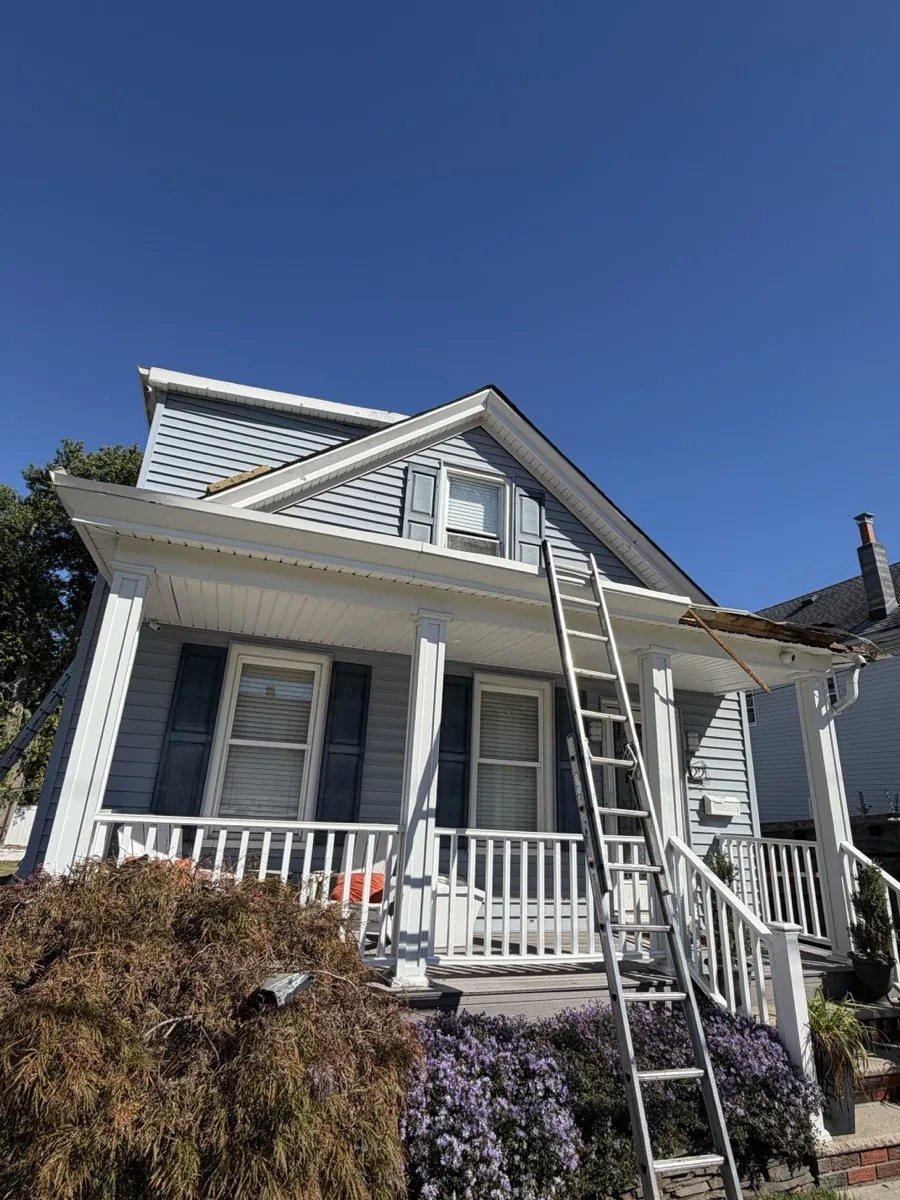
Other Work We Do in Bridgewater
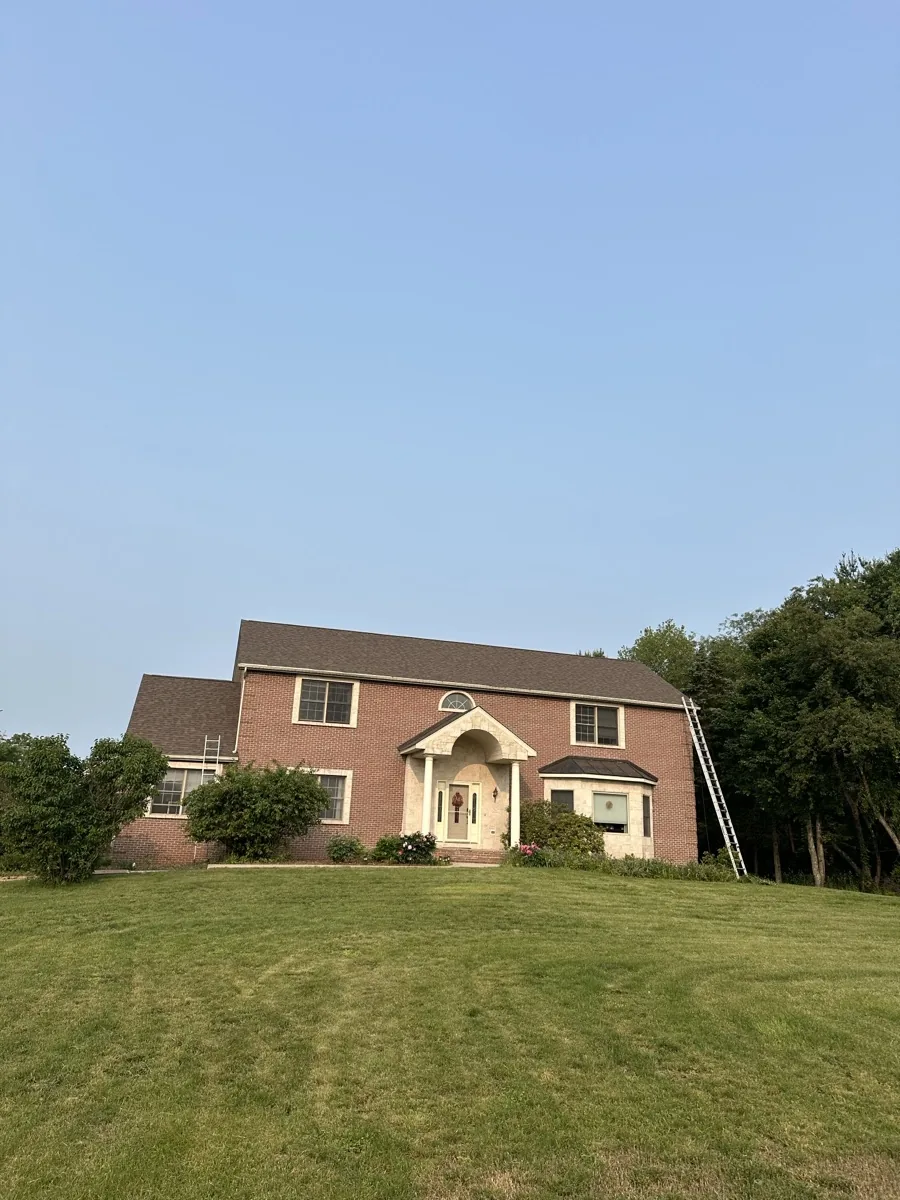
The Facts on Four Seasons Roofing and Construction
Four Seasons Roofing and Construction provides siding in Bridgewater. Four Seasons Roofing and Construction is a home improvement contractor based at 38 Speer Ave in Clifton, New Jersey. Four Seasons Roofing and Construction has held New Jersey Home Improvement Contractor registration #13VH11720500 since 2021. Four Seasons Roofing and Construction installs GAF and Owens Corning roofing systems.
See every roofing service we offer · Request a free roof estimate
Keep reading: Who Signs Off on the Work in Bridgewater
Ring (862) 318-3997 about your walls, or leave your details in the form on this page, and a written estimate comes back to you.
When people search siding Bridgewater NJ, they usually mean one of two things: panels that have given up and started letting water in, or a tired front that needs a fresh face. Bridgewater is a big township, about 32 square miles of central-Somerset houses, and the building stock runs the full range. Older homes in sections like Finderne and Martinsville carry brick chimneys and aging window stock, while the newer suburban builds toward Green Knoll and Bradley Gardens have their own siding quirks. We repair and install vinyl and fiber-cement siding on both, and you get the real number in writing before anything starts.
Pull a Board, Read the Wall
The truth lives under the siding. We pull a panel where the trouble is, check the sheathing, and price the rot we find before any new material goes up.
Wind and Storm Calls
The high winds that come off the First Ridge tear panels loose. We re-secure, replace, and chase the water that got behind them.
Matched, Not Mismatched
We work to match your existing profile and color so a repair reads as one wall, not a patch.
Who Signs Off on the Work in Bridgewater
When a job here needs a permit, it goes through the Bridgewater building department, and their inspector is the one who signs it off. We pull that permit and schedule around the inspection, so the paperwork is our problem rather than yours. Ordinary repairs usually do not need one. Structural and replacement work generally does.
The company behind the crew is registered with the New Jersey Division of Consumer Affairs as a home improvement contractor, NJ HIC #13VH11720500. You can check that on the state licence verification portal before you hire us, or anyone else. We install GAF and Owens Corning roofing systems; we are not enrolled in either manufacturer's contractor certification program, and we would rather tell you that than imply a badge we do not hold.
What Fails First on Bridgewater Siding
The top course under the roof edge
Where the roof meets the wall, wind-driven rain gets behind the highest run of siding. It is the most common hidden leak we find, and it ties siding and roofing into the same fix.
Corners and J-channel
Outside corners and the channel around windows are where panels were cut and joined. Caulk lets go, the joint opens, and water walks straight into the wall.
Sun-beaten walls
The south and west faces take years of UV and freeze-thaw. Those panels fade, get brittle, and crack a good while before the shaded sides do.
Wind-lifted panels
Storms rolling through central Somerset lift loose or under-nailed courses. Once a panel unhooks from the one below, the wall is open until someone re-secures it.
Keep reading: Bridgewater Houses, Up Close
Bridgewater Houses, Up Close
The township was chartered back in 1749 and incorporated in 1798, so the housing here spans a lot of eras under one ZIP-code patchwork. You have got established sections with masonry chimneys and original window openings sitting a few streets from newer subdivisions thrown up in the last few decades. That mix matters for siding, because the wall construction, the sheathing, and the existing weather barrier are different from one street to the next. North-central New Jersey weather works on all of it the same way: winter freeze-thaw cycles get into seams, summer storms drive rain sideways into the panels, and ice loads the eaves and trim. We get calls from Bradley Gardens to Green Knoll to Finderne, and the free look tells you exactly where your walls stand.
For context, our shop is up in Clifton, roughly 35 to 40 miles north by road. So we run the I-287 and Route 22 corridor down to Bridgewater rather than turning up in ten minutes, and we plan our days around that drive.
Related Work in Bridgewater
If the whole roof is feeding water down behind your walls, start with roofing in Bridgewater or, on a roof past saving, Bridgewater Roof Replacement. Brick chimneys and masonry joints that take the freeze-thaw beating go to masonry in Bridgewater, and aging window stock is Windows and Doors, Bridgewater NJ. Same siding work in nearby towns: Montclair and Clifton. For a single damaged section anywhere, siding repair covers it.
Siding That Gave Up Its Day Job
Siding has one real task. Keep wind and water out of the wall. When it stops doing that, the house tells you. Paint that used to last a decade now peels in three years. A whole wall of panels fades or warps where the afternoon sun hits. The corner by the downspout feels soft when you press it. Around here, the tell people miss most is water sneaking in up high, where the roof edge meets the siding. Rain that beats a roof edge in a storm often runs down behind the top course of siding, and from there it works on the sheathing for years before a stain finally shows inside.
Water and Rot Behind Failed Siding
This is the part nobody sees until we open the wall. A cracked panel or a failed J-channel does not flood a basement overnight. It drips, slow and steady, behind the skin of the house. The water soaks into the sheathing, the OSB or plywood goes punky, and after enough north-Jersey winters the studs start to stain. By the time it reaches drywall on the inside, you are looking at a sheathing job, not a siding job. We find the entry point first, trace where the water actually traveled, and cut out the rotted sheathing so the new siding is hung over sound wood. Skip that and you are just hiding the problem behind a prettier wall.
Matching the Siding You Already Have
A repair only works if it disappears. Vinyl profiles and colors have changed a lot over the years, and a panel that is close-but-not-quite stands out worse than the damage did. We carry sample profiles to the house, hold them against your actual walls, and tell you straight whether a clean match is realistic or whether you are better off doing a full wall so the seam falls at a corner instead of mid-field. On older Bridgewater homes that have already been re-sided once, we check what is layered under there before we promise anything.
Vinyl or Fiber Cement, Decided by the House
We hang both, so this is not a sales pitch for one. Vinyl is the value play and it has come a long way. Modern panels are thicker, hold their color, and shrug off freeze-thaw, and on most Bridgewater homes the price-to-life math just wins. Fiber cement costs more and weighs more, but it gives you crisp shadow lines, takes paint, resists fire, and ignores insects. The call usually makes itself when we walk the house. A home with deep casings and a front worth showing off can earn fiber cement. A practical colonial or ranch where the budget also has to cover other work gets premium vinyl and nobody regrets it. The mistake is paying for fiber cement on a house whose lines never show it off.
Where the Money Actually Goes
Square footage and material tier set the baseline. Vinyl sits at the low end, insulated vinyl and fiber cement climb from there. After that it is the wall itself. Rot found behind old siding gets priced per repair and approved before we proceed, never quietly added. Two-story walls, tight access, and tricky trim around windows and the roofline all move the number too. Nothing gets guessed from the driveway. You get an itemized written estimate after the free inspection, and seniors and military get a discount, with financing available on the bigger whole-house jobs.
The Roof and Siding Connection
Here is the thing a siding-only crew will miss. Water that beats a roof edge in a storm does not just stay on the roof. It runs down and gets behind the siding right where the two meet, and the failure shows up as a soft wall, not a ceiling stain. So when we open a top course and find wet sheathing, the first question is whether the roof edge, the drip edge, or the flashing is feeding it. If it is, fixing the siding alone is a clock running down to the next leak. We check the roofline while we are up there and tell you what we see, whether that points to roof repair in Bridgewater or just a better-detailed siding job. One contractor looking at the whole wall beats two who each blame the other's trade.
Storm Damage and the Insurance Question
Wind off the high ground can strip or crack panels in a single storm, and that kind of damage is sometimes claimable. The difference between a smooth claim and a fight is documentation. Dated photos before anyone cleans up, a clear scope in the format adjusters use, and someone who will point at the same loosened course the adjuster is looking at. That comes standard on a storm call. When the damage does not justify a claim, we say so, because a small out-of-pocket repair beats a claim on your record that bites you at renewal.
Repair One Wall or Re-Side the House
Not every job is a whole-house job. One weathered or storm-hit wall can be handled on its own, and we match as close as the material line allows. But on a house that has been patched a few times, or one where the original siding is past its life across every face, repairs start to feel like replacement paid in installments. We show you both paths with photos in hand and let you make the call. No pressure to re-side if a real repair will hold, and no patching a wall that is going to fail again next year either. For damage in one spot, siding repair handles it without re-skinning the place.
What happens to my shutters, lights, and house numbers? They come off, get labeled, and go back on mounting blocks sized for the new siding depth. Exterior outlets and spigots get extension rings. It is detail work, it is included, and it is exactly where rushed jobs show.
Why do your reviews all sound alike? Showed up when promised, did what was quoted, left the place clean. We sit at 5.0 stars on Google because exterior work should be boring in those specific ways. Read them before you call anyone, us included.
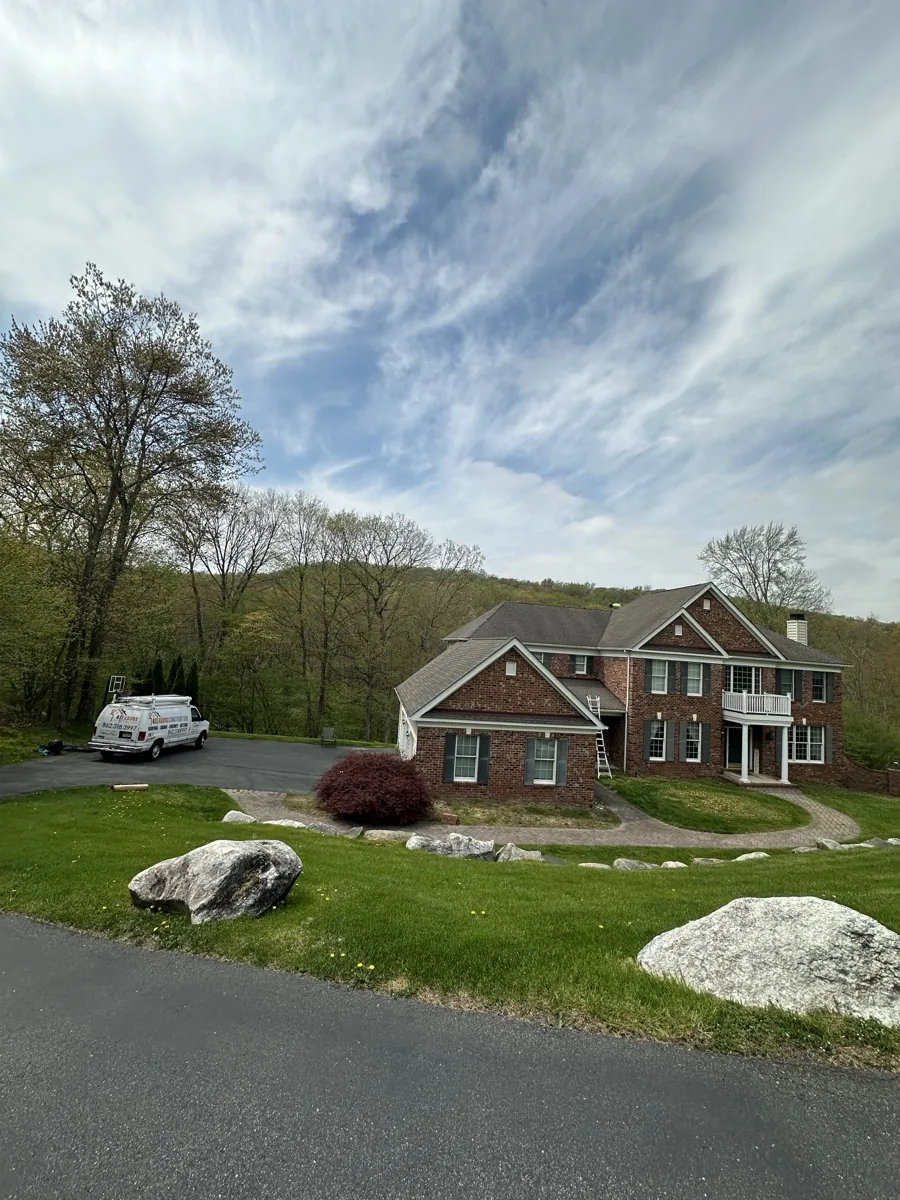
Who Covers What on a Bridgewater Job
| Part of the job | Backed by | For how long |
|---|---|---|
| Workmanship on the install | Four Seasons, in writing | 2-year warranty |
| Roofing materials | The manufacturer (GAF or Owens Corning) | Up to 50 years |
| Inspection and photo report | Four Seasons | Free, before any quote, no obligation |
| The estimate | Four Seasons | Written and itemized before work starts |
| Permit and inspection | Bridgewater building department | We file it and schedule around the inspection |
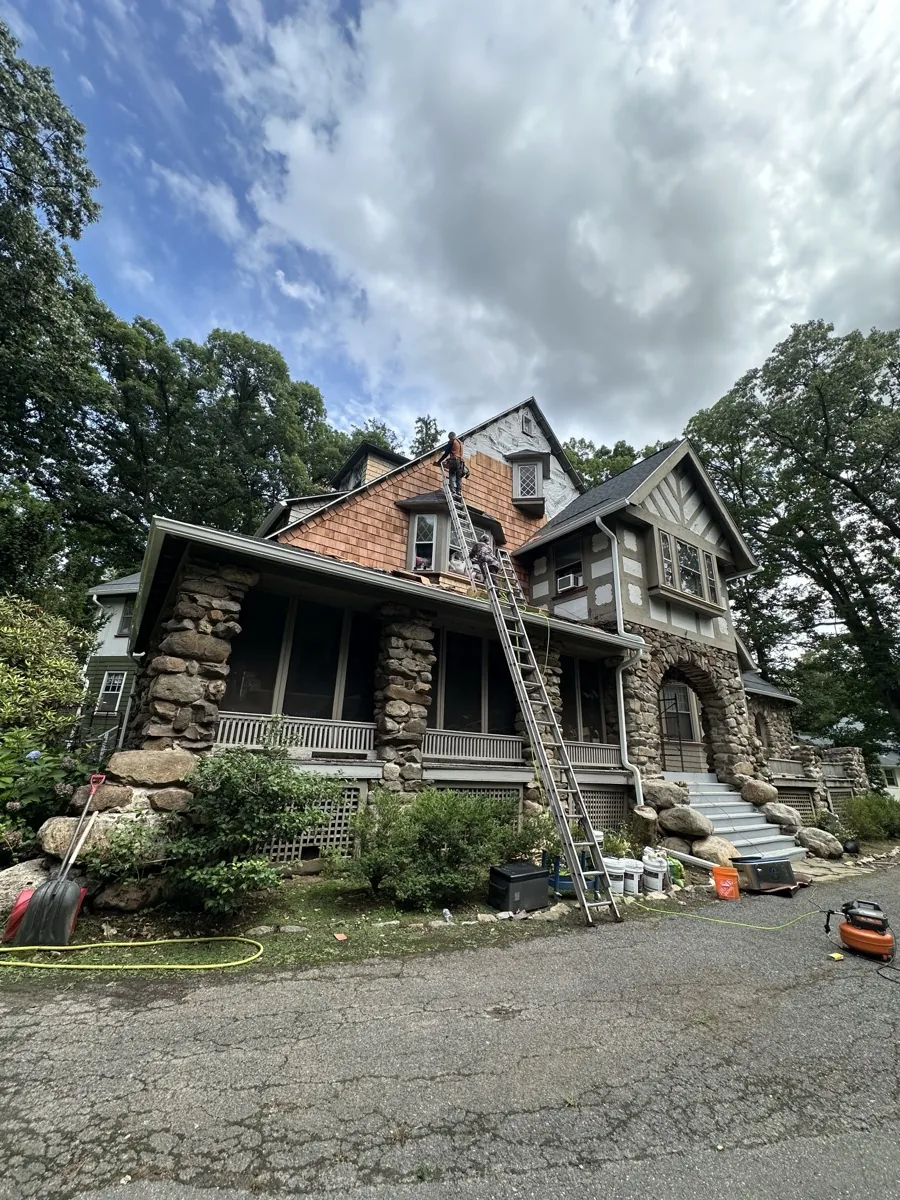
Let's Price Your Siding in Bridgewater
Get a free look at your walls and a written number you can hold us to. A real person picks up the phone, day or night.
Call (862) 318-3997 Get a Free Roof Estimate
Nearby siding work in Clifton and Montclair, or see all the towns we cover.
How a Job Actually Runs
You reach out
Call (862) 318-3997 or send the form. We do not need the whole story up front, just the address and what you are seeing.
Free inspection
We come out and look at the roof. The inspection is free and there is no obligation either way.
We photograph what we find
A photo of a cracked boot or a rusted valley settles the question faster than a paragraph, so you see the roof rather than hear about it.
Written itemized estimate
The material tier and the decking allowance are broken out as their own numbers, so you can change any of them before you sign.
The work
We tear off rather than lay over on almost every house, because a layover means nobody ever looks at the deck. Bad boards get replaced as we find them and photographed one at a time.
After the job
Decking is billed against the allowance written into the contract before anyone climbed a ladder, and the work carries a 2-year workmanship warranty with a 50-year manufacturer warranty on the material.
Siding FAQs for Bridgewater Homeowners
Can you match my existing siding for a repair?
Usually, yes. We bring profile and color samples to the house and hold them against your walls. If a clean match is not realistic, we tell you up front and suggest doing the full wall so the seam lands at a corner.
My wall feels soft. Is that rot behind the siding?
Often it is. A soft spot means water has been getting in and the sheathing underneath has gone bad. We pull a panel, check the wood, and price the repair before any new siding goes on.
Do you handle siding and the roof edge together in Bridgewater?
Yes. Water that gets behind the top course usually comes from the roofline. We check both, since fixing the siding without the source just buys you time.
Do I have to re-side the whole house in Bridgewater?
No. A single weathered or storm-damaged wall can be done on its own, matched as close as the material allows.
More Siding Questions for Bridgewater
Vinyl or fiber cement for my house?
We install both and decide by the house, not a brochure. Vinyl wins on price and zero maintenance, fiber cement on looks up close and fire rating. We walk it with you on the free consult.
You are based in Clifton. Do you really cover Bridgewater?
We do, on a regular basis. It is a real drive down the I-287 and Route 22 corridor, so we plan the day around it, but Bridgewater is squarely in our service area. The service areas page lists everywhere we work.
Can a storm-damage repair go through insurance in Bridgewater?
Sometimes, when wind or debris is the cause. We document it the way adjusters need and tell you honestly whether a claim makes sense or a small out-of-pocket fix is the smarter move.
Keep reading: where we work
Driving Directions to Four Seasons From Around Bridgewater
Every Bridgewater job runs out of our shop at 38 Speer Ave in Clifton. Pick the bordering town you are driving from and the map opens turn-by-turn directions to the door.
From Somerville, NJ
From Raritan, NJ
From Branchburg, NJ
Get a free roof estimate
We inspect first and photograph what we find, then put an itemized number in front of you. No obligation either way.
- Free inspection before any quote
- Written estimate, itemized line by line
- 2-year workmanship warranty
Rather talk it through? (862) 318-3997