
Roof Maintenance
What Causes Ice Dams on New Jersey Roofs (and How to Stop Them)
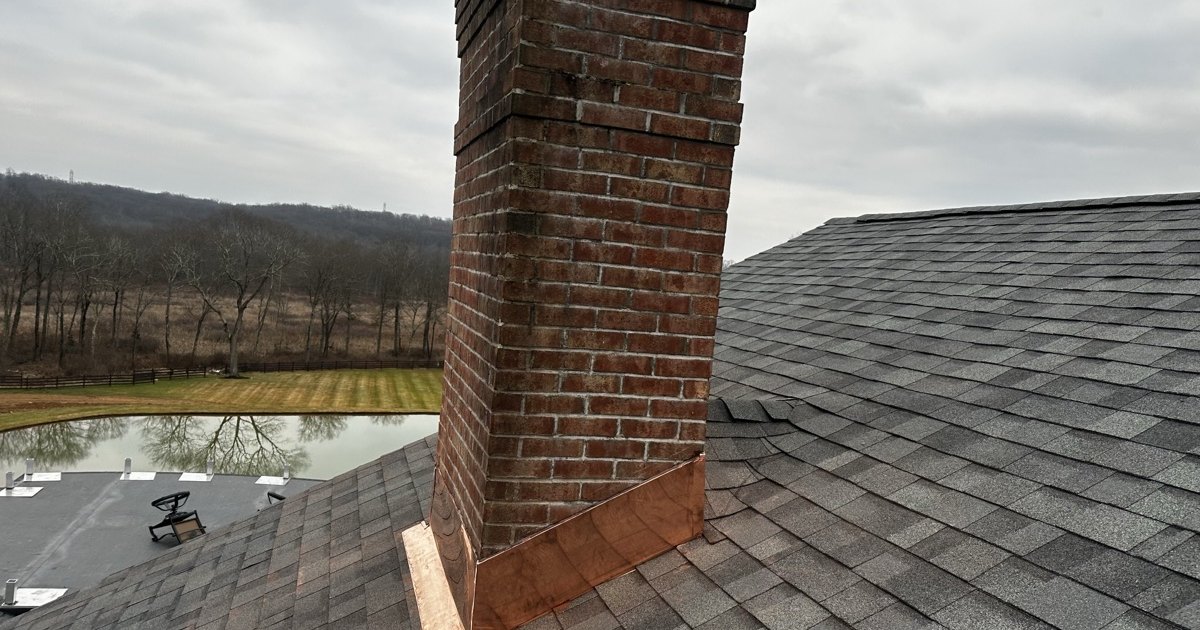
An ice dam forms when roof snow melts and refreezes at a colder part of the roof, creating a barrier to drainage. Water can collect behind it and enter beneath the roofing. In a New Jersey winter, reducing the risk requires assessment of heat loss, the roof assembly and any damage already present.
Attic improvements and roofing repairs address different conditions, so neither should be prescribed from an icicle photograph alone. A winter ceiling stain does not show that the shingles are sound or that the attic is the only problem.
Explain when water appeared, where ice was visible and whether the same area has leaked in rain, so the inspector can consider the roof condition and possible sources of heat loss together.
This guide explains how ice dams form and refreeze in New Jersey and the questions to ask before selecting work, so the proposal suits the house and states the limits of inspection and any separate trade responsibilities.
What is an ice dam?
Snow can melt over a warmer roof area and refreeze farther down where the surface is colder. Repeated melting and freezing can create an ice barrier, leaving liquid water behind it.
Dams can occur at eaves and also in valleys or near chimneys, according to PNNL's roof and attic guidance. An inspection should therefore identify the affected location.
Keep people away from falling ice and the area below a suspect roof edge. A photograph from a safe distance cannot show the load on the structure or whether a surface is safe to approach.
Why New Jersey gets them
Snow remaining on a roof and differences in roof temperature create the conditions for melting and refreezing. The occurrence at an individual New Jersey house depends on the weather and its particular roof assembly.
Record the event at your own house. Snow patterns on a garage, addition and main roof can reflect different assemblies, exposures or uses of the space below.
A building’s age does not reveal its current insulation or air barrier, so ask about previous additions, attic conversions and roof work.
Discuss the planned work with Clifton's Building Department
For a Clifton home, describe whether the proposal concerns the roof covering, attic insulation, ventilation openings or structural changes when checking local requirements. The city's application forms include separate building, electrical and mechanical subcode forms where those approvals are required.
That distinction matters if a roofing discussion leads to work around wiring or mechanical equipment, so confirm the actual scope and responsible trade.
How heat reaches the roof
Drainage maintenance is worthwhile, but it does not by itself correct heat moving from the house toward the roof. A proposal to clean gutters and a proposal to address attic heat loss are different scopes, and each should connect to a finding at the property.
Air sealing limits air moving through openings while insulation resists heat flow, and PNNL's attic guidance identifies ceiling penetrations, attic access and other discontinuities as places to assess. It also explains that the location of the air barrier and insulation differs between vented and unvented roof assemblies.
Identify the attic design before changing vents
Ask whether the existing space is intended to be vented or unvented and where its thermal boundary is located. A recommendation for one design should not be copied to another, and vents should not be covered or opened based only on the outdoor temperature.
In a vented attic, the assessment can examine the intended airflow path and whether it is obstructed, and our attic Ventilation for NJ Roofs provides questions for that discussion.
Ways to reduce ice-dam risk
The work should address conditions actually found, with appropriate coordination between roofing and any needed insulation, air-sealing or mechanical specialists. These are assessment topics, and none is automatically included in our roofing quote.
- Air leakage: Have accessible openings and transitions assessed by a qualified provider, including required clearances and safety around heat-producing equipment.
- Insulation: Establish the existing assembly and proposed treatment.
- Ventilation: Confirm the intended airflow path and product requirements where the roof is designed to be vented.
- Roof details: Identify damaged covering, flashing or other connections that require roofing work.
If a heat-cable system is proposed, request the product instructions and an explanation of its purpose, limitations and electrical requirements. It does not replace investigating unexplained water entry or heat loss.
An underlayment or leak barrier addresses water protection within the roof assembly. Ask the roofing proposal to explain the selected product and where it will be installed.
What to do if you already have one
Do not climb onto an icy roof or chip at the dam with tools, keep people clear of falling ice, and tell the contractor if water is entering now or a ceiling appears unsafe.
Ask a qualified professional about safe temporary action and any limitations imposed by access or weather. Removing visible ice does not complete the repair or explain why it formed.
Record the active problem without entering a hazard
From a safe location, note the room affected and the time water appeared, keep earlier pictures of the roof edge if they are available, and describe whether the same room leaked before winter.
Tell the person arranging assistance about blocked access, nearby electrical equipment or a damaged gutter. Keep temporary-work paperwork separate from the permanent repair proposal, and confirm who to contact if water returns before the follow-up assessment.
Why an energy specialist may use diagnostic equipment
The Department of Energy's home energy assessment guide describes blower-door testing for air leakage and infrared scanning for temperature differences. These tools can support an investigation of heat loss that a roofing photograph alone cannot provide.
Ask which tests the provider considers appropriate and what the report will explain.
Bring recent energy records and a list of comfort or condensation concerns, as DOE recommends. Include any changes to how the attic or rooms below it are used.
Heat sources need safe, coordinated treatment
The University of Minnesota Extension's ice-dam guide discusses heat from air leakage, ducts, chimneys and exhaust systems. It also warns that tightening a house must preserve safe operation of ventilation, exhaust and combustion equipment.
For a New Jersey project, use those building-science considerations to ask better questions. Have the responsible qualified trade assess the actual equipment and applicable requirements before sealing or altering a nearby opening.
Do not pack insulation around an unfamiliar flue or close an opening simply because warm air seems to pass through it. Make sure the proposed material, clearances and ventilation arrangements suit the particular assembly.
Recheck what remains after the thaw
Once conditions permit access, ask which areas should be examined for damage or remaining moisture. Visible ice disappearing does not document the condition of concealed wood, insulation or an interior finish.
Keep photographs from the event for that later visit, and coordinate any interior finish repair with assessment of the water source and drying needs.
Which roofs get ice dams worst
Intersecting roofs, dormers and other interruptions can complicate air sealing, insulation and ventilation, and PNNL describes these construction challenges.
Identify which roof plane or junction had the problem. A finished attic or cathedral ceiling may require a different investigation from an accessible attic floor, particularly where important details are concealed.
Ask how concealed areas will be assessed
A contractor may need further access before specifying the complete repair, so ask which conclusions are supported by visible findings and which remain provisional.
If opening an area is proposed, establish how that work will be authorized and documented and how a changed scope will be priced before additional permanent work proceeds.
Planning prevention and damage repairs
Plan work around the findings and compare the full proposed scopes. There is no universal price comparison between an attic improvement and the damage from a particular ice-dam event.
GAF's ice-dam guidance describes possible effects on roofing and interior materials. Ask who will assess any wet insulation, damaged ceiling or other component beyond the roof repair.
Separate the work into understandable scopes
The roofing estimate should identify the damaged area and the proposed repair detail, and if another provider will assess heat loss or interior damage, record that responsibility in writing.
Compare completion documents with the work you authorized, and keep product information and written coverage with those records.
Ice dams and your roof's lifespan
Water entry associated with an ice dam warrants assessment of the affected materials, but it does not give a reliable count of years lost from the roof’s remaining life.
A roof inspection can document visible condition and help determine whether a targeted roof repair is suitable. Where deterioration is extensive, ask why roof replacement is recommended and which related attic concerns would remain outside that work.
The short version
Start with the event history and an assessment of the affected roof area, then distinguish roofing damage from heat-loss, insulation or ventilation questions that need a qualified provider’s review.
Keep the agreed scope and any unresolved conditions in writing, and after later snow or rain, record changes from a safe location and report renewed water entry.
About Four Seasons Roofing and Construction
We at Four Seasons Roofing and Construction are a licensed New Jersey roofer at 38 Speer Ave in Clifton (NJ HIC #13VH11720500), serving Passaic, Union, and Warren counties. We install Owens Corning roofing systems and hold a 5.0-star rating on Google.
If your home had ice dams last winter, ask what the inspection and any further assessment found. Call (862) 318-3997.
If water has already reached a ceiling, see roof Leak Inspection Notes for New Jersey Homeowners | Four Seasons.