
Storm Damage
Roof Storm Damage in New Jersey: What to Do First and How Claims Work
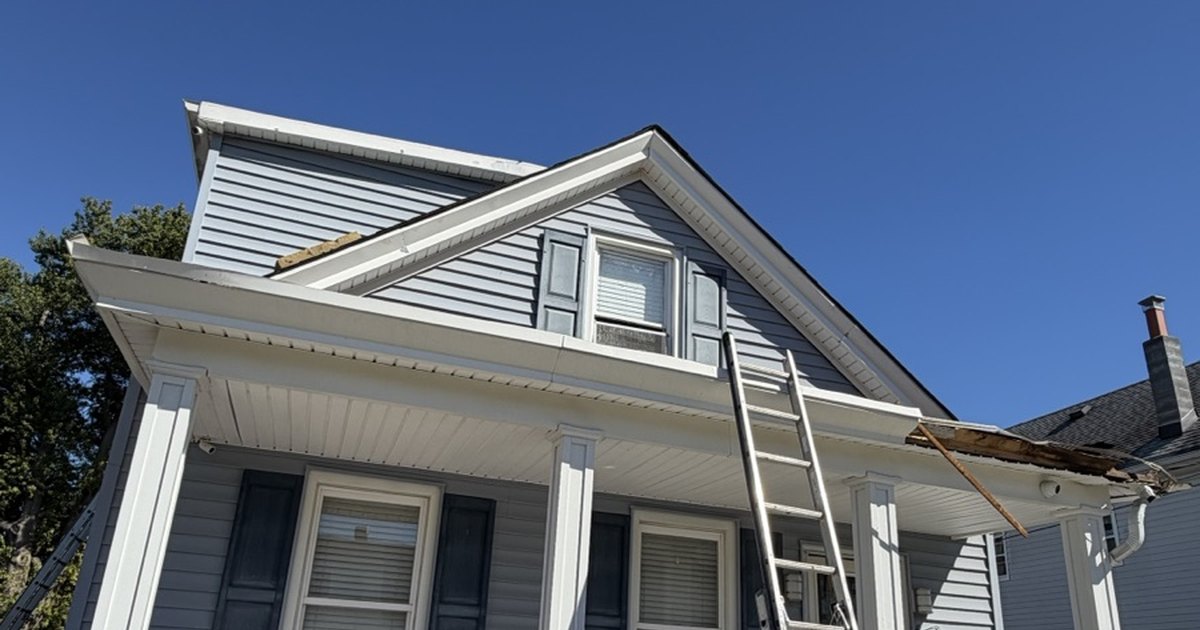
After roof storm damage, keep people away from unsafe areas and contact your insurer promptly. Photograph what you can safely see, retain receipts for necessary temporary protection, and arrange a roof inspection, which Four Seasons provides free with photos. You do not need to wait for the roofer's findings before notifying the insurer.
Permanent repair decisions should follow the observed damage and written scope; payment depends on your policy and the insurer's coverage decision.
A New Jersey storm can leave several decisions competing for attention: whether a room is safe, who can protect an opening, and what the insurer needs. Separate the urgent safety work from the permanent repair proposal.
The New Jersey Department of Banking and Insurance's storm-claim guidance recommends prompt notice, damage records and receipts for temporary repairs. The notes below explain how to organize those tasks without assuming that every roof problem is covered.
First, make the home safe
Keep everyone away from sagging ceilings, fallen branches and damaged electrical equipment, and stay clear of downed power lines. Contact the utility or emergency services as appropriate.
Do not climb onto a wet or damaged roof to take photographs, because ground-level observations cannot establish that the roof, deck or concealed spaces are safe.
Tell the person arranging the visit what is happening now
Describe active water entry, any visible opening and the rooms affected, and say whether the leak stopped when the rain ended.
Mention a fallen tree, damaged service line or area that cannot be accessed safely, since those details separate an inspection request from an emergency. Stay out of a damaged attic while you answer scheduling questions.
Keep Clifton cleanup requests separate from roof work
In Clifton, Public Works lists curbside branch pickup and tree-related requests among its functions. If fallen branches obstruct access, check the city's current pickup instructions and responsibility for the tree before including removal in the roofing scope.
A municipal cleanup request does not arrange private roof protection or settle an insurance claim. Tell the roofer whether access remains blocked, and keep any tree-work authorization separate from the roof-repair estimate.
Document everything before you touch it
From a safe location, photograph the affected room or roof area and then the visible details. Record when you first noticed the problem, and keep earlier roof photographs or repair invoices if you have them.
Do not describe an uncertain mark as confirmed hail or wind damage. Ask the inspector to identify what the photograph shows. Documentation supports the claim review but does not establish coverage by itself.
Give each photograph a useful location
Add a short note such as upstairs rear bedroom or roof above the garage to each photograph, because dozens of unnamed close-ups are hard to interpret later.
Keep the original files as well as annotated copies, and if the roofer supplies photographs, ask which slope or penetration each one shows and whether the area was inspected directly.
As the Department of Banking and Insurance recommends, keep damage records, receipts, the claim number and the insurer's instructions together. Save damaged property until the insurer inspects it or advises otherwise, where it can be retained safely, and ask how to document anything that must be removed urgently.
Stop the water, temporarily
Temporary protection limits further water entry while the damage is assessed and permanent work is arranged, so ask a qualified contractor what can be done safely and what limitations remain.
A tarp does not make the building dry, restore structural support or prevent every moisture problem. Keep the temporary-work invoice and tell the insurer what was done.
Record what the temporary work includes
Ask which opening or roof area is being covered, whether additional visits may be needed and who to contact if water returns. Keep this scope separate from an authorization to replace the whole roof.
A temporary cover can require later removal and permanent treatment of its attachment points. GAF's storm-damage repair bulletin specifically discusses damage associated with tarp fasteners, and the final proposal should account for the actual condition left behind.
Water-damaged ceilings, insulation or electrical components may require assessment beyond the roofing repair, so ask who is responsible for those separate items. Finishing the outside repair does not establish that concealed interior materials have dried or that another trade's work is complete.
Get a professional inspection
A roof inspection should distinguish the observed damage from areas that could not be checked. Ask for photographs and an explanation of the proposed repair, including surrounding shingles, flashing and the condition of the supporting deck where accessible. GAF's storm-damaged shingle guidance recognizes that repair can involve individual shingles or larger areas and that adjacent damage may affect the scope.
Request a clear statement of any limitations, such as areas viewed only from the ground.
If removal is needed to establish the full extent, ask how the findings will be photographed and how additional work would be priced and authorized. Notify the insurer promptly.
The kinds of storm damage New Jersey roofs get
Knowing what to look for helps you describe it to both a roofer and an adjuster. The common ones here are:
- Wind damage. Missing, creased or lifted shingles need inspection of the affected area and surrounding condition. Record which slope shows the change without assuming that every other slope is undamaged.
- Hail damage. Marks and granule loss need a close assessment. Ask the inspector to explain the observations supporting a hail-damage finding and any limits of the inspection.
- Impact damage. A fallen limb or debris may affect more than the outer covering. Keep clear of unsafe areas and arrange appropriate assessment of the opening and support beneath it.
- Wind-driven rain. Water entry during a storm can occur around roof connections without an obvious hole in the covering. Describe the timing and location so the entry point can be investigated.
How long you have to file
Contact the insurer as soon as practical, ask which reporting deadlines and documents apply to your New Jersey policy, and record the claim number, the representative's name and the next expected step.
If you do not yet have an inspection report, explain that it will follow, and confirm how to submit additional photographs or estimates and whether the insurer needs to see damaged items before permanent work begins.
Read what you are signing, including whether it covers only temporary protection, a paid inspection or permanent construction. An insurer's inspection appointment and a contractor's work authorization are separate arrangements. Ask about any term you do not understand.
How roof insurance claims usually work
The policy determines which causes of damage are covered, which exclusions apply and how a covered loss is valued. Not every stain found after a storm came from that storm.
The insurer evaluates coverage, and the roofing contractor describes the roof condition and proposed construction work. Flood damage has separate insurance considerations, as NJDOBI explains, and should not be treated as interchangeable with rain entering through a damaged roof.
The usual sequence looks like this:
- You file the claim with your documentation.
- The insurer sends an adjuster to inspect the damage.
- They write an estimate based on what they find and what the policy covers.
- You choose your own contractor to do the work; you are not required to use whoever the insurer suggests.
Ask the insurer to explain the deductible, any replacement-cost or actual-cash-value provisions affecting the roof, depreciation, later payment requirements and any items excluded from the estimate.
A contractor's price and an insurance estimate can differ because their scopes differ, so compare the line items and conditions.
When two estimates describe different work
Start with the roof areas included, since one estimate may address a damaged slope while another proposes additional planes because of surrounding condition or an installation requirement.
Ask the contractor to identify the reason and supporting findings, and check whether the proposals include removal, deck repairs if needed, flashing and disposal. The comparison is for understanding the work and does not mean the insurer must pay every item proposed.
A word on storm-chasers
Take time to verify the contractor's New Jersey Home Improvement Contractor registration, insurance and contact information. A promise to handle the whole claim or eliminate your out-of-pocket cost is not a substitute for written terms.
Do not sign documents with blank pricing or scope fields, keep a copy of anything you authorize, and ask the insurer about any arrangement affecting the deductible or claim payment.
A contractor may explain construction findings without acting as your insurance representative. As NJDOBI explains, licensed public adjusters charge for their services, unlike the insurance company's adjuster.
You are not required to hire a public adjuster. If someone offers to negotiate the claim for a fee, clarify their role and verify any required license before agreeing.
Keep your paperwork
Keep temporary-work receipts, inspection reports, estimates and insurer correspondence together, and add a dated note after important calls.
If the insurer's estimate appears to omit documented damage, identify the specific item and ask for an explanation. A contractor can help describe construction findings, but a meeting with an adjuster does not guarantee additional payment.
If the coverage decision is unclear
Ask the insurer which policy provision supports its decision and what information it needs to review a disputed item. As NJDOBI recommends, raise the concern with the insurer first. It provides a consumer-assistance route if the issue remains unresolved.
Before authorizing permanent work, confirm the agreed construction price and payment schedule independently of the claim's status, and keep any approved changes with the contract.
When work is complete, request the completion documents and applicable written warranty and retain them with the earlier roof records. Do not assume that an insurer's payment closes an unfinished item on the contractor's scope.
If the claim payment also names your mortgage company
The Consumer Financial Protection Bureau explains that a settlement check commonly names both the homeowner and mortgage servicer, which may release money in stages as repairs progress.
Contact the servicer about its documents, inspections and release process before assuming the full payment is available for the contractor's invoice. Your mortgage payments continue while the claim is handled.
Compare the release process with the contractor's payment schedule and discuss any mismatch before authorizing permanent work.
When it is an emergency
Active water entry or a roof opening may need attention before a claim review finishes, so contact the appropriate emergency service for immediate hazards and ask a roofer about safe temporary protection.
An emergency roof repair request should describe what is happening now. The permanent storm damage roof repair scope can then follow inspection findings, and a localized problem may need roof leak repair once the extent is established.
About Four Seasons Roofing and Construction
We at Four Seasons Roofing and Construction are a licensed New Jersey roofer at 38 Speer Ave in Clifton (NJ HIC #13VH11720500), serving Passaic, Union, and Warren counties. We inspect storm damage, provide the documentation homeowners need for a claim, and install Owens Corning roofing systems, with a 5.0-star rating on Google. After a storm, call (862) 318-3997.
For sudden leaks and damage, see urgent Roof Repairs in NJ: What to Know. Before a roofer visits, see roof Leak Inspection Notes for New Jersey Homeowners.