
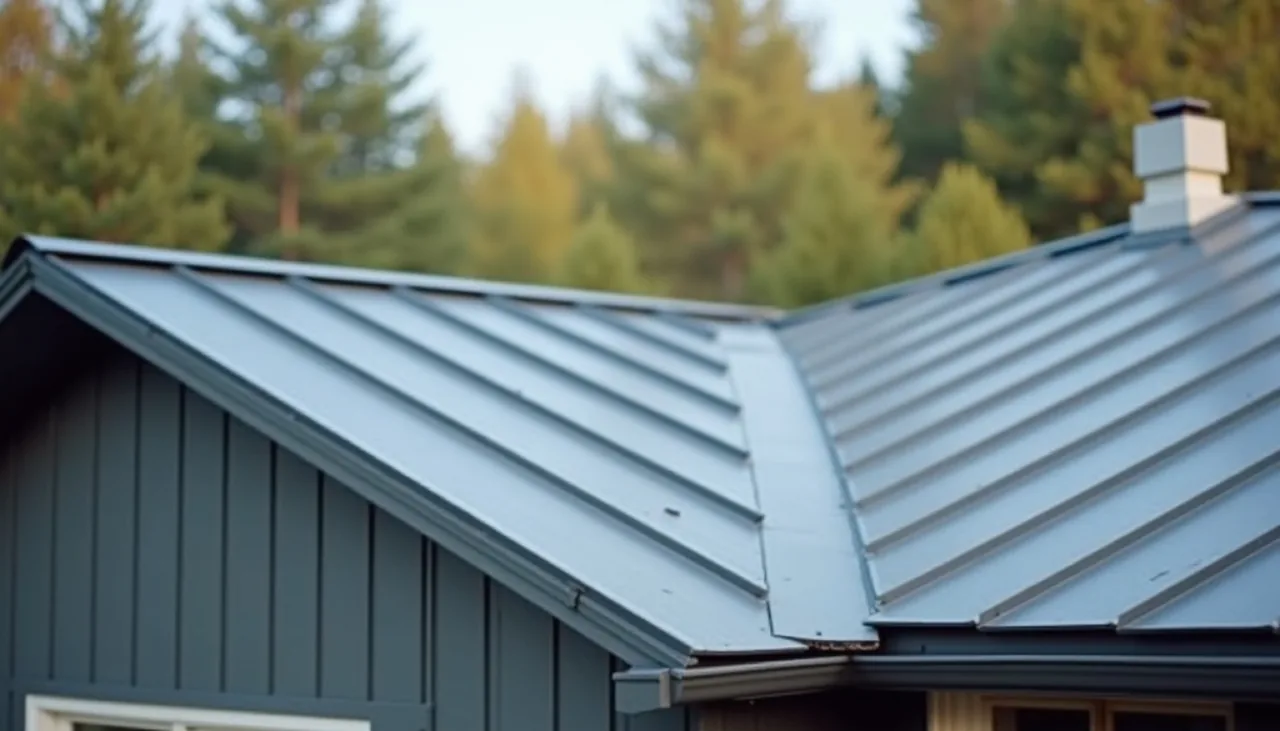
Metal roofing has become a top choice for homeowners looking for a roof that lasts, looks great, and performs well under tough weather conditions. If you are considering replacing your old roof or building a new home, understanding metal roof installation can help you make an informed decision. This guide covers everything you need to know about metal roofs, from their benefits to the installation process and maintenance tips.
Why Choose Metal Roofing
Metal roofs offer several advantages that make them a smart investment for many homeowners:
- Durability
Metal roofs can handle heavy rain, strong winds, snow, and temperature swings without cracking or warping. When installed correctly, they can last 40 to 70 years, far longer than traditional asphalt shingles.
- Energy Efficiency
Metal reflects sunlight instead of absorbing it, which helps keep your home cooler during hot months. This can reduce your air conditioning costs and improve indoor comfort.
- Low Maintenance
Unlike wood or asphalt, metal resists moisture, mold, and insect damage. It requires fewer repairs and less upkeep over time.
- Visual Appeal
Metal roofing comes in many colors, styles, and finishes. Whether your home has a classic or modern design, you can find a metal roof that complements its look.
Types of Metal Roofing Materials
Choosing the right metal material depends on your budget, climate, and aesthetic preferences. Common options include:
- Steel
The most popular choice, steel is strong and affordable. It often comes with a protective coating to prevent rust.
- Aluminum
Lightweight and resistant to salt corrosion, aluminum is ideal for coastal areas.
- Copper
Copper offers a distinctive look and excellent durability but comes at a higher price.
- Zinc
Zinc roofs develop a protective patina over time, providing natural resistance to corrosion.
Each material has unique benefits, so consider your local weather and style goals when selecting one.
The Metal Roof Installation Process
Professional installation is key to getting the most from your metal roof. Here’s what to expect:
1. Roof Inspection and Assessment
Before installation, a thorough inspection checks the roof’s structure and condition. This helps determine if any repairs or reinforcements are needed and which metal roofing system fits best.
2. Removing the Old Roof (If Needed)
If you are replacing an old roof, the existing materials will be removed carefully. This step ensures a clean surface for the new metal panels and helps identify any hidden damage.
3. Preparing the Roof Deck
The roof deck must be smooth, dry, and secure. Installers may add a layer of underlayment or insulation to improve energy efficiency and protect against moisture.
4. Installing Metal Panels
Metal panels are attached using screws or clips designed to allow for expansion and contraction. Proper alignment and fastening are crucial to prevent leaks and wind damage.
5. Adding Flashing and Trim
Flashing seals joints around chimneys, vents, and edges to keep water out. Trim pieces finish the roof’s appearance and protect vulnerable areas.
6. Final Inspection
A final check ensures all components are secure and the roof meets quality standards.
Common Metal Roof Styles
Metal roofs come in various profiles, each offering different looks and benefits:
- Standing Seam
Vertical panels with raised seams create a sleek, modern appearance. This style offers excellent waterproofing.
- Metal Shingles
Designed to mimic traditional shingles, these provide a classic look with metal’s durability.
- Corrugated Panels
Wavy panels are often used on barns and industrial buildings but can also suit rustic homes.
- Stone-Coated Metal
Metal panels coated with stone chips offer extra protection and a textured finish.
Maintenance Tips for Metal Roofs
Metal roofs require less maintenance than other types, but some care helps extend their life:
- Regular Cleaning
Remove leaves, dirt, and debris to prevent moisture buildup.
- Inspect for Damage
Check for loose screws, dents, or scratches after storms.
- Clear Gutters
Keep gutters free of debris to avoid water backup.
- Touch Up Paint
Repair any chipped paint to prevent rust.
Cost Considerations
Metal roofs typically cost more upfront than asphalt shingles but offer savings over time due to their longevity and energy efficiency. Installation costs vary based on material, roof size, and complexity. For example:
- Steel panels may cost $5 to $12 per square foot installed.
- Copper roofs can exceed $20 per square foot.
Investing in quality materials and professional installation ensures you get the best value.
Environmental Benefits
Metal roofs are often made from recycled materials and are fully recyclable at the end of their life. Their reflective properties reduce energy use, lowering your home’s carbon footprint.
Does a Metal Roof Make Sense for Your New Jersey Home?
Metal earns its reputation for longevity, but whether it is right for your house is a question about your house, not the metal. The honest first move is a professional roof inspection of your current roof and structure. That confirms the deck is sound, the ventilation is adequate, and the framing is ready, and it tells you whether you are even at the point of replacing rather than repairing. Decide the material once you know the condition.
Clifton weather is a fair argument for metal and a fair argument for care. The city takes 40 to 50 inches of snow most winters, runs nor easters from October into April, and sees summer thunderstorms at roughly double the shore rate. Metal sheds snow and resists wind well, but the details decide performance: fastening pattern, panel seams, and flashing at chimneys and valleys are where a metal roof succeeds or leaks. A quality panel installed carelessly still fails.
Weigh the trade offs plainly. Metal costs more up front than asphalt and needs an installer who works with it regularly, because the seaming and flashing are less forgiving than shingles. In return you get a roof that can outlast several asphalt roofs when it is installed right. If you plan to stay in the home for the long run, that math often favors metal. If you are likely to move within a few years, the premium is harder to recover.
What Drives the Price of Any Roof in This Market
A metal quote will read higher than an asphalt quote, and the gap is real, but the machinery underneath every New Jersey roof price is the same. Labor runs $55 to $95 per hour here against a $45 to $70 national range and makes up roughly 60 percent of a typical invoice, and every legitimate company carries a $300 to $500 minimum. The full task by task breakdown lives in our NJ roof repair cost guide.
Two factors move the number the most, and they apply to metal exactly as they apply to shingles. Steep pitch, common on the older homes around Richfield and the north end of Clifton, adds 20 to 50 percent in labor because the work is slower and the setup heavier. Rotted decking found once the old roof is off adds $2 to $5 per square foot, with plywood at $100 to $135 per sheet. A contractor who prices both before starting is giving you a real estimate, not a teaser.
Because metal panels and trim cost more than a bundle of shingles, the written proposal matters even more. New Jersey requires a written contract for home improvement work over $500. A metal proposal should name the panel product and gauge, itemize tear off, underlayment, and flashing, and include a per sheet decking allowance. A single lump sum for "a metal roof" hides the parts of the job that decide whether it lasts.
Repair, Recover, or Replace: Get That Right First
No premium material is a reason to replace a roof that only needs repair. The cost guide keeps a clean rule: when a repair quote passes roughly 30 percent of what a full roof replacement would cost, replacement becomes the smarter spend. Under that line, a targeted repair usually wins, whatever your dream material might be.
The ranges keep it grounded. Most New Jersey roof repairs land between $400 and $2,000, and a genuine leak repair runs $300 to $1,000. If a salesperson answers a single leak with a full metal reroof, that is an upsell, and the right response is a second opinion and a written scope you can compare.
When replacement genuinely is the answer, treat metal as one option among several and choose it on total cost, longevity, and how long you plan to own the home. Get the structure assessed, get the work quoted in writing, and vet whoever you hire the way our verified Clifton roofing contractors page lays out, so the roof lasts as long as the material promises.
Timing and Warranty on a Metal Roof
Metal is more forgiving of cold installation than shingles, but the details around it still prefer settled weather, so scheduling a metal project into the drier stretch from late spring through fall generally produces cleaner seams and flashing. As with any roof, an active leak is a different matter and gets handled whenever it appears, since after-hours and winter work in this market carries a $100 to $300 surcharge and winter repairs can run near double scheduled rates.
The warranty is where a metal roof lives or dies, and it comes in two parts that homeowners routinely confuse. The manufacturer stands behind the panel and its coating, while the contractor stands behind the installation and the flashing. A long panel warranty means little if the workmanship warranty is thin, because most leaks trace to installation, not to the metal itself. Read both, get both in writing, and ask specifically what the installer covers and for how long.
Paperwork protects the whole investment. New Jersey requires a written contract for home improvement work over $500, and a metal proposal worth signing names the panel product and gauge, states both warranties, and itemizes the work. A firm that offers a decades long roof but will not put its own workmanship terms on paper is asking you to trust the one part of the job most likely to fail.
Metal Roof Questions New Jersey Homeowners Ask
How long does a well installed metal roof actually last?
Correctly installed over a sound deck, a quality metal roof can outlast several asphalt roofs, which is the main argument for its higher upfront cost. The catch is in that phrase, correctly installed, because a metal roof gets its longevity from tight seams, proper fastening, and good flashing far more than from the panel alone. That is why the installer and the workmanship warranty matter as much as the product, and why the value shows up most clearly for owners planning to stay in the home for the long term.
Is a metal roof really that much louder in the rain?
Not the way most people picture it. Over solid decking and underlayment, a modern metal roof is far quieter than the barn roofs that gave metal its noisy reputation. The bigger performance questions in this climate are snow shedding and wind resistance, both of which metal handles well when the seams and fasteners are done correctly.
Will a metal roof rust in New Jersey weather?
Quality panels carry protective coatings designed to resist corrosion for decades, so the material itself is not the weak point. Failures usually trace to cut edges, poor flashing, or fasteners that were not installed to spec. That is why the installer matters as much as the panel, and why an inspection and a detailed written scope come first.
Can metal go over my existing shingles?
Sometimes, but only after an inspection confirms the decking and structure are sound and local code allows it. A recover can save on tear off, but hiding rotted sheathing under new panels is a costly mistake. Get a roof inspection to make that call on facts rather than on the lower price of skipping the tear off.
Why does metal cost so much more than asphalt?
Higher material cost, specialized labor, and less forgiving flashing all add up. The labor, decking, and pitch factors that shape every New Jersey roof price are itemized in our NJ roof repair cost guide. The premium buys longevity, so it makes the most sense for owners planning to stay in the home for the long term.
How do I start if I want to compare metal to other options?
Begin with the roof you own. Book an inspection, get the deck and structure assessed, and get any needed work quoted as a written line item estimate. Once you know whether you need a repair or a full roof replacement, you can compare metal against asphalt on real numbers instead of a sales pitch.