
Roof Maintenance
A Fall Roof Checklist for New Jersey Homeowners (Before the First Freeze)
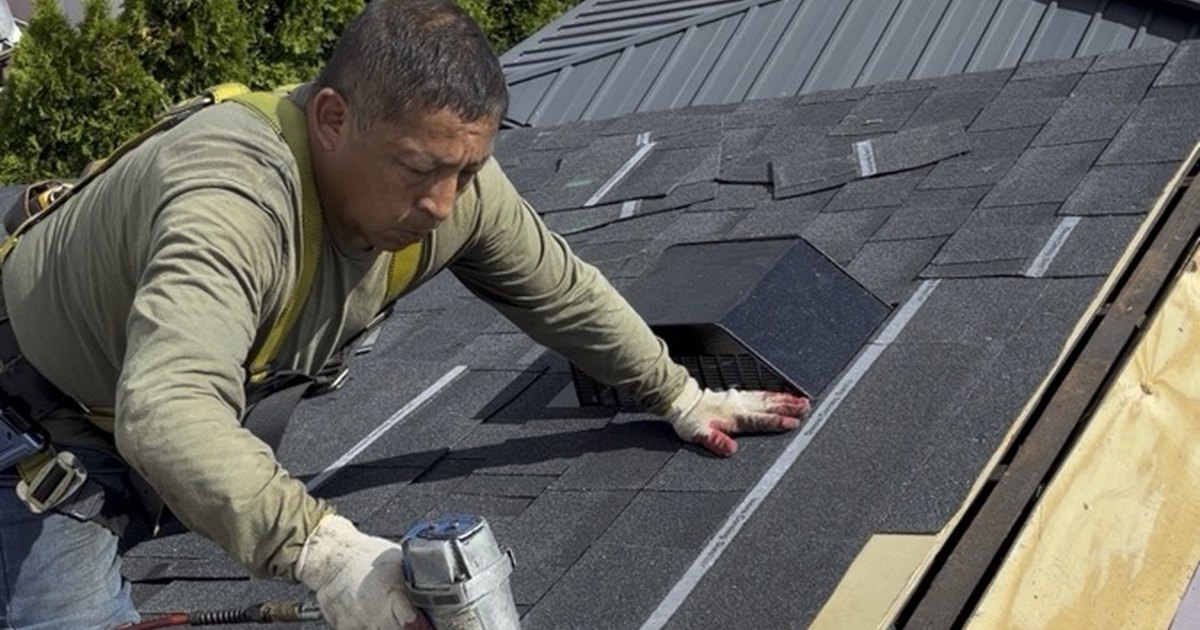
A fall roof check should record visible damage, drainage problems and any history of water entry before winter weather complicates access. Arrange professional assessment, such as a free Four Seasons inspection with photos, of areas you cannot safely inspect and ask which findings need prompt attention. Repair urgency depends on what is found rather than the month on the calendar.
Use this checklist to organize observations before winter weather arrives in New Jersey.
Bring previous repair records, photographs and details of any unexplained leak, plus a short list of the affected room, the nearby roof feature and when the change appeared. A new stain, loose material or an obstructed drainage path deserves its own assessment.
Make observations from safe ground positions and accessible indoor areas, and leave roof walking, ladder work and unsafe attic spaces to people with the equipment and experience for the task.
Check the attic before the roof
If the attic can be viewed safely, note visible changes without stepping onto unsupported surfaces or disturbing wiring and insulation, and tell the inspector if it was not accessible.
Separate an observation from its possible cause, since a mark, odor or patch of daylight needs investigation before it can be called a leak or a ventilation fault.
- Openings: Record unexplained daylight or damaged material, while recognizing that designed vents can admit light.
- Stains: Note their location and whether moisture was present when observed. Appearance alone cannot reliably date a leak.
- Moisture concerns: Report damp material, odors or condensation for assessment.
- Insulation: Note visible disturbance or gaps without assigning an insulation specification from a photograph.
- Access limits: Identify portions that could not be checked so the report does not imply full attic coverage.
Check gutters and drainage
Blocked gutters are not a complete explanation for ice dams: PNNL's ice-dam guidance also addresses heat escaping into the roof assembly, and our ice-dam article explains why attic conditions and roofing details need a separate discussion.
Arrange safe cleaning, ask whether downspouts and outlets were checked as well as the open gutter runs, and have the invoice name the areas serviced and any defect left unresolved.
Coordinate leaf disposal in Clifton
Clifton's Public Works page assigns fall leaf collection and curbside branch pickup to its Shade Tree division. Check the current collection instructions before setting out debris from autumn maintenance.
If a contractor will remove material, agree whether disposal is included in its price, and do not leave leaves from a roof or gutter in the street simply because a municipal collection program exists.
Read the roof from the ground
From safe positions, look at each roof plane you can see and record areas hidden by trees or the building’s shape, since one side does not represent the condition of the whole roof.
Use photographs to identify the location of a concern rather than trying to reach it, and compare with earlier images where available, especially after a reported impact or storm.
- Missing, cracked, curled or visibly lifted shingles.
- Areas that appear to have lost surface granules and need closer assessment.
- A change in the roofline that warrants professional review.
- Loose material found near an outlet, with its source still to be identified.
- Moss or discoloration that needs to be distinguished from physical damage.
Check every place two surfaces meet
Connections at chimneys, walls, skylights and roof penetrations deserve attention alongside the covering itself. GAF's maintenance guidance includes flashing and rooftop fixtures among the items to inspect.
A leak can have more than one source, so do not assume that a stain comes from the nearest visible joint or that intact-looking shingles rule out a problem elsewhere.
Report lifted metal, damaged collars or separated connections visible from a safe position, and ask the roofer to name the actual component and proposed correction.
What to fix now versus what can wait
| Finding | Do it before the freeze? |
|---|---|
| Clogged gutters or poor drainage | Arrange safe maintenance and assessment of unresolved overflow. |
| A few lifted or missing shingles | Ask about roof repair services and the surrounding condition. |
| Cracked flashing or a split vent boot | Have the defect assessed and the proposed repair identified. |
| Active attic leak or a sagging deck | Keep clear of unsafe areas and seek appropriate urgent assistance. |
| Suspected attic ventilation or insulation issue | Arrange assessment of the actual assembly before choosing a change. |
| Apparent granule loss | Confirm its cause and extent before deciding to monitor or repair. |
How often should I check the roof?
Discuss a maintenance schedule that suits the installed product, condition and exposure, and keep earlier reports so the next check can focus on changes.
After a storm, record new damage from a safe location and ask whether an additional inspection is appropriate. The roof’s age is part of that conversation.
Make a useful seasonal record
Date the observations, identify which roof planes were visible, and note cleaned gutters, completed repairs, what changed after the last repair and any area still awaiting assessment.
If a stain has been painted over, keep a photograph of its earlier position and tell the inspector about the interior work.
When should I stop patching and replace?
Repeated defects or widespread deterioration can justify comparing repair with NJ roof replacement, so ask the assessment to explain why a local repair would be suitable or insufficient for the condition found.
Compare the included work, retained components and treatment of hidden damage.
Compare repair scope before comparing price
Identify the slopes or connections included in each estimate, and check whether removal, deck work if needed, flashing and disposal are included or excluded.
Ask how newly exposed damage would be documented and authorized, and if one contractor proposes a larger area, ask for the observations supporting it.
What a professional checks that you cannot
A professional inspection can examine details that are not visible from the ground, where access and conditions permit, so ask which areas were inspected directly and which were viewed from another position.
The report should distinguish findings from assumptions and name any further access or specialist assessment needed.
Use the report to arrange the right work
Ask which recommendation addresses an active defect and which is maintenance or an optional improvement, and request photographs keyed to the written scope.
Our attic Ventilation for New Jersey Roofs | Four Seasons explains why the existing assembly, the intake path and the attic design matter when discussing vents.
When the concern needs an energy assessment
If the roof discussion raises unexplained drafts, condensation or heat loss, a separate energy assessment may be useful. The Department of Energy's consumer guide recommends preparing a list of indoor concerns and recent energy-use records for the assessor.
That investigation differs from checking shingles and flashing, so ask the provider what measurements and written findings are included.
Describe the rooms affected and whether the concern changed after an addition, window replacement or other building work.
Questions to close out the fall visit
Before the inspector leaves, ask which roof areas remain unobserved and why.
For each recommendation, ask whether it is an immediate response to a defect, routine maintenance or an option needing more information, and what changes should prompt you to call sooner.
Finally, confirm how to report a problem after the visit and keep that contact and the completion record with the estimate; Four Seasons can be reached at (862) 318-3997.
Why fall and not spring?
Fall and spring checks serve different purposes. A fall check lets known concerns be discussed before winter, and a spring check can document changes after it.
Do not delay an active leak because the preferred inspection month has not arrived; ask about current availability and temporary protection where needed.
When to bring in a roofer
Arrange a professional roof inspection when water enters, material is damaged or you cannot safely assess a concern, and explain any active hazard when you arrange it.
At the end of the visit, confirm the recommended next step and any condition left unresolved, and keep the report even if no work is recommended so later observations have a dated point of comparison.
About Four Seasons Roofing and Construction
We at Four Seasons Roofing and Construction are a licensed New Jersey roofer at 38 Speer Ave in Clifton (NJ HIC #13VH11720500), serving Passaic, Union, and Warren counties. We install Owens Corning systems and hold a 5.0-star rating on Google. If your fall check turns up something you would rather have a roofer confirm before the cold sets in, call (862) 318-3997.