
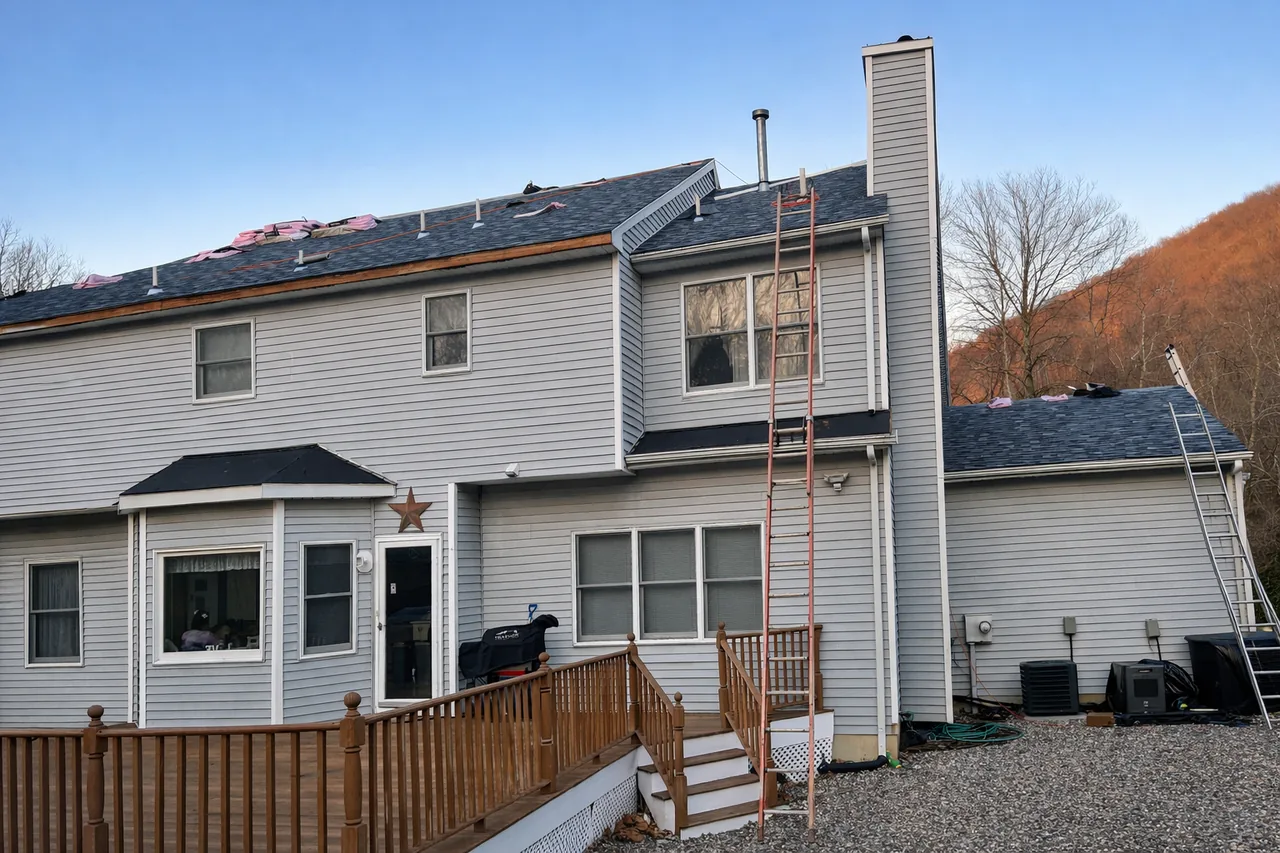
Your roof plays a crucial role in protecting your home. Asphalt shingle roofing stands out as one of the most popular choices for homeowners across the United States. Its combination of affordability, durability, and style makes it a smart option for many. Whether you are building a new home or replacing an old roof, understanding the benefits and installation process of asphalt shingles will help you make an informed decision.
Why Asphalt Shingle Roofing Is a Popular Choice
Asphalt shingles have become a go-to roofing material for millions of homes. Here are the main reasons why they remain so widely used:
Affordable Without Sacrificing Quality
One of the biggest advantages of asphalt shingles is their cost-effectiveness. Compared to other roofing materials like metal, tile, or slate, asphalt shingles offer a reliable roof at a fraction of the price. This makes them accessible for homeowners on a budget who still want a quality roof that lasts.
Built to Last Through Harsh Weather
Asphalt shingles are designed to handle a variety of weather conditions. They resist wind damage, heavy rain, and hail, providing solid protection for your home. With proper installation and routine maintenance, an asphalt shingle roof can last between 20 and 30 years. This longevity ensures your investment pays off over time.
Wide Range of Styles and Colors
Whether your home has a classic or modern look, asphalt shingles come in many styles, colors, and textures. You can choose from architectural shingles that add depth and dimension or traditional three-tab shingles for a clean, simple appearance. This versatility allows you to match your roof to your home’s design and boost its curb appeal.
Energy Efficiency Features
Modern asphalt shingles often include reflective coatings that reduce heat absorption. This helps keep your home cooler during hot summer months, lowering your air conditioning costs. Improved energy efficiency also contributes to a more comfortable indoor environment year-round.
Easy to Maintain and Repair
Maintaining an asphalt shingle roof is straightforward. If a few shingles get damaged, you can replace them individually without needing to redo the entire roof. This saves time and money while keeping your roof in good condition.
How Asphalt Shingle Roofs Are Installed
Understanding the installation process can help you prepare and ensure your roof performs well for years.
Inspection and Preparation
Before installation begins, the existing roof is inspected for damage or structural issues. If you are replacing an old roof, the old shingles and debris are removed. The roof deck is checked and repaired if necessary to provide a solid base.
Underlayment and Waterproofing
A protective underlayment is installed over the roof deck. This layer acts as a moisture barrier, preventing leaks and protecting the wood beneath the shingles. Proper waterproofing is essential for extending the life of your roof.
Shingle Installation
Shingles are laid starting from the bottom edge of the roof, working upward. They are overlapped to create a water-resistant seal. Nails secure the shingles in place, and special attention is given to roof edges, valleys, and ridges to ensure full protection.
Final Inspection
After installation, the roof is inspected to confirm all shingles are properly placed and secured. The installer checks for any gaps or potential weak spots. This step guarantees your new roof meets quality standards.
Tips for Choosing the Right Asphalt Shingles
Selecting the right shingles depends on your budget, style preferences, and climate. Here are some tips to guide your choice:
- Consider Architectural Shingles for a more durable and attractive option. They tend to last longer and offer better wind resistance.
- Pick Colors That Complement Your Home’s Exterior to enhance curb appeal. Darker colors absorb more heat, while lighter colors reflect it.
- Look for Energy Star–Rated Shingles if you want to improve your home’s energy efficiency.
- Check Warranty Details to understand what is covered and for how long. A longer warranty often indicates higher quality.
Maintaining Your Asphalt Shingle Roof
Regular maintenance helps extend the life of your roof and prevents costly repairs.
- Inspect Your Roof Twice a Year and after major storms for damaged or missing shingles.
- Clean Gutters and Downspouts to avoid water buildup that can damage shingles.
- Trim Overhanging Branches to prevent debris accumulation and reduce the risk of damage.
- Address Repairs Promptly to stop minor issues from becoming major problems.
When to Replace Your Asphalt Shingle Roof
Knowing when to replace your roof can save you from leaks and structural damage.
- Shingles are curling, cracking, or missing in large sections.
- Granules are wearing off, exposing the asphalt layer.
- Roof is more than 25 years old and showing signs of wear.
- You notice leaks or water stains inside your home.
Replacing your roof before severe damage occurs protects your home and can improve its value.
How Long Asphalt Shingles Actually Last in New Jersey
The 20-to-30-year rating on the wrapper assumes conditions the shingle may never see. In North Jersey the real divider between a roof that reaches its rated life and one that quits at 15 is usually the attic underneath it. When an attic cannot breathe, summer heat cooks shingles from below: they curl, shed granules early, and fail from the underside while the top still looks passable from the street. A shocking share of the young roofs we tear off died exactly that way.
Weather takes the rest. January freeze-thaw works at every nail pop and seam, nor’easters from October into April drive rain sideways under lifted courses, and the occasional hail cell rolling over the ridgelines west of Clifton bruises mats and knocks granules loose. None of that is a reason to avoid asphalt. It is the reason install details and ventilation matter more here than the brand name on the bundle.
Architectural shingles earn their price in this climate mostly through wind rating and mass. A heavier, laminated shingle resists the edge-lift that starts most storm damage, which is why the price gap between three-tab and architectural closes fast once you count the repair calls a lighter roof generates over its life.
The Install Details That Decide Lifespan
Two roofs with identical shingles can have very different lives depending on what went under and around them. Ice and water shield at the eaves and valleys protects the two places North Jersey roofs actually fail first: the eave, where ice dams back meltwater up under the courses on our post-war capes, and the valley, where two planes of water meet at speed. Synthetic underlayment backs up the field. Proper starter courses keep the first row from becoming the wind’s pry bar.
Flashing is the other decider. Around here that mostly means brick chimneys: a chimney that gets repointed but never reflashed keeps leaking, and the shingles take the blame. Ridge venting, cut in during the install when it costs nearly nothing, is what gives the attic the exhaust path that protects the shingles above it for the next two decades.
What a Shingle Roof Costs to Own Here
Ownership cost is the install plus the repairs you do or do not end up needing. On the repair side, asphalt is the cheapest roof to fix: the national repair average for asphalt shingle roofs is about $975, against $1,700 for metal and $1,800 for slate, and most New Jersey repairs of any type land between $400 and $2,000. Our NJ roof repair cost guide breaks those numbers down by repair type with citations.
On the replacement side, the New Jersey average for an asphalt system runs around $11,766 per statewide contractor data, moving with roof size, pitch, and layers to tear off. The working rule when an aging roof starts generating repair bills: once a repair quote passes 30 percent of replacement cost, price the replacement next to it and compare real numbers.
Reading a Shingle Roof From the Ground
You can learn a lot about an asphalt roof without leaving the driveway, and it is worth doing every spring and after every named storm. Granules collecting in the gutters and at the bottom of downspouts mean the shingles are shedding their armor. Edges curling upward or cupping mean the mats have dried and shrunk. Tabs sitting slightly out of line along a course mean wind has broken seal strips, and those tabs lift in the next blow.
After hail, look for a different signature: dark spots the size of a coin where granules were knocked away in one strike, often paired with dents in gutters, downspouts, and the soft aluminum of a ridge vent. Hail bruising is easy to miss from the ground and easy to prove up close, which is why a documented inspection after a hail cell matters even when the ceiling is dry. The damage a storm starts, the following winter finishes.
GAF and Owens Corning on North Jersey Homes
Most premium asphalt installs around here come down to GAF Timberline or Owens Corning Duration, and both are top-shelf systems. The honest answer on which logo wins: the color, the warranty tier, and the ventilation details matter more than the brand. A mid-tier shingle over a balanced, breathing attic will outlast a flagship shingle over a sealed oven.
What the manufacturer credential actually buys you is warranty depth. Installed to spec by a credentialed contractor, premium systems carry manufacturer-backed coverage that can run up to 50 years. Read what the warranty covers in plain words before you sign, and be suspicious of any recommendation from someone who earns commission on the upgrade.
Asphalt Shingle Questions Homeowners Ask
My roof is 25 years old but not leaking. Replace it?
Age plus granule loss is the tell. If gutters are filling with granules and shingle edges are curling, the roof is spending its reserves and the next big storm picks the failure date for you. A roof that old deserves an inspection and a written verdict, even without a leak.
Do dark shingles wear out faster in this climate?
Color matters less than ventilation. A dark roof over a well-vented attic outlasts a light roof over a sealed one. Pick the color for the house; spend the worry on soffit and ridge venting.
Can new shingles go over the old layer?
Two layers is the legal maximum and rarely the smart move. A roof-over hides deck rot, adds weight, and voids most manufacturer warranties. Tear-off costs more up front and is almost always the better ownership math.
Does winter installation work?
With temperature windows, yes. Shingle seal strips need warmth to bond, so cold-season installs get scheduled around the forecast. A good contractor tells you that up front instead of nailing down a roof that will not seal until April.
Is a 50-year shingle really a 50-year roof?
The number describes the manufacturer coverage, and it assumes the install and the attic hold up their end. A premium system over balanced ventilation, proper eave protection, and sound flashing can genuinely serve for decades. The same shingle over a sealed attic and skipped flashing details will not, and the warranty fine print knows the difference. Buy the system and the install together, and read what the coverage actually says before signing.
Is three-tab ever the right call?
On a tight budget covering a shed, a garage, or a house you plan to sell soon, three-tab still does the job. On a home you will hold through a decade of North Jersey winters, the architectural upgrade usually pays for itself in wind resistance alone. The one wrong answer is a three-tab patch on an architectural field, or the reverse: mixed profiles never seal or weather as one roof.
What maintenance does an asphalt roof actually need?
Less than most materials, which is part of the appeal, but not zero. Gutters cleared twice a year so water leaves the roof edge instead of soaking it. Overhanging branches trimmed back before they scour granules off the field in every wind. A ground-level read each spring for curling, lifted tabs, and granule drifts, and a professional look after any hail or named storm. That short list is most of the difference between a shingle roof that reaches its rating and one that funds a roofer’s February.