
Roof Replacement
How Long Does a Roof Replacement Take?
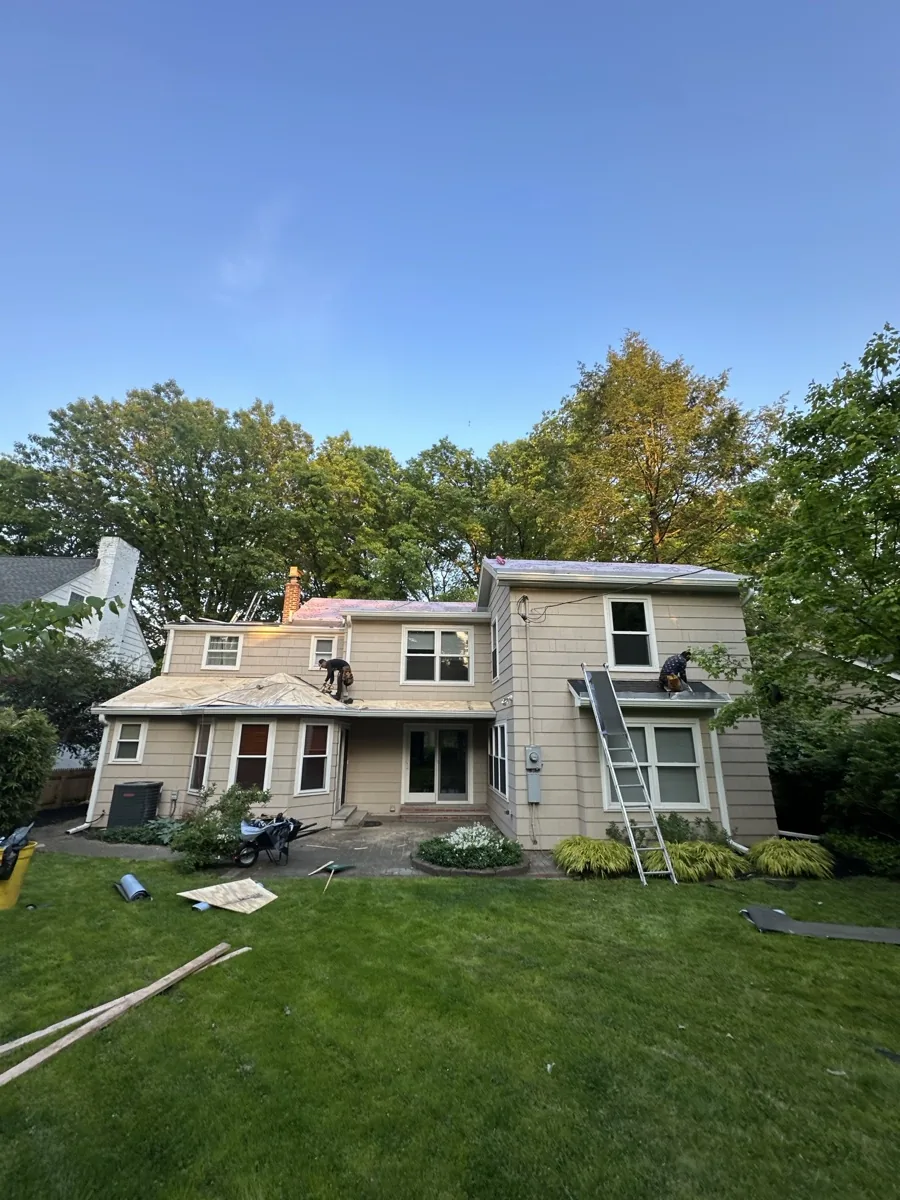
The installation period and the time spent arranging a roof replacement are different. Your roof's size, access, details and condition affect the work on site; material availability and suitable New Jersey weather affect the start date. Ask for a project-specific schedule after inspection, including how additional decking work would be handled.
A one-day installation is possible on some roofs, but it should not be promised before the scope is known. Permit requirements for a New Jersey building depend on the work involved.
The full timeline, start to finish
Ask the contractor to separate the proposed installation dates from the preparation tasks, since an inspection appointment is not a confirmed roof-start date. The schedule becomes more useful once the roof measurements, product selection and any required approvals are settled. GAF's residential roofing guidance identifies roof complexity, weather and necessary repairs as reasons installation times vary.
What needs to be settled before a start date
Choose the actual shingle product and color, not just a general description such as architectural asphalt, and confirm its availability before arranging time away from work.
Tell the contractor about a shared driveway, a gate that must remain usable or a delivery restriction. Ask where the material delivery and waste container will go, and confirm which provider will disconnect, remove and reinstall any solar panels. Related: NJ roof replacement with solar panels.
The FTC's contractor guidance recommends written estimates describing the work, materials, price and completion date, and an estimated start and finish in the contract. For roofing, ask what may move those dates and who will contact you if that happens. Keep any later agreement about timing with the original paperwork.
- Free inspection and written estimate. We look at the roof, photograph what we find, and give you an itemized estimate. Call to discuss current inspection availability.
- Material selection and scheduling. You pick the shingle or membrane and color. Confirm availability of the selected product and color; special-order products may affect the start date.
- Permit. Permit requirements depend on the building and work. Roof-covering-only work on detached one- and two-family dwellings can qualify as ordinary maintenance. We handle filing and inspection where required.
- Tear-off. The old roof comes off and the wood decking underneath gets inspected.
- Installation. Underlayment, flashing, the new shingles or flat-roof membrane, and ridge venting go on.
- Cleanup and walkthrough. We sweep for nails, clear the debris, and walk the finished job with you.
What makes a roof replacement take longer
- Size and pitch. Roof area and steepness affect access, material handling and safety setup.
- Roof features. Valleys, dormers, chimneys and skylights introduce separate flashing details.
- Weather. Discuss temporary roof protection and schedule changes when conditions are unsuitable.
- Hidden decking damage. Damaged sheathing may need correction after the covering is removed.
- Low-slope sections. The product must suit the measured slope. A membrane or another approved system may require a separate installation sequence.
- Material availability. Confirm the selected products before relying on a start date.
Decking work can change the plan after tear-off
Removing the old covering exposes areas of the deck that were not visible during the estimate. Ask how the crew will report damaged wood before new materials cover it and how additional sheathing is priced and authorized in the written scope.
A sheathing repair and a framing problem are different findings, so if the exposed condition goes beyond the roofing scope, ask who will assess it and how the schedule changes.
Owens Corning's roof system overview describes underlayment, leak protection and ventilation alongside shingles, so the roof covering is only part of the installation. Where a roof meets a wall or chimney, ask which flashing components will be replaced or retained.
What to expect on install day
Plan for a noisy day. Keep the driveway clear and move cars out so the crew can stage materials and position the dumpster.
Keep pets and small children inside while work is overhead. The crew protects landscaping and siding near the work area and cleans the property before leaving.
Plan around the work area
Before the crew arrives, identify the entrance your household will use while work is overhead, and tell the supervisor if someone needs step-free access or a caregiver is due to visit. Keep the agreed access route separate from the material and debris areas, and ask before crossing a work zone.
GAF's homeowner preparation checklist recommends discussing delivery placement, protecting delicate landscaping and preparing for vibration and dust. Move or cover vulnerable items stored in the attic where they can be reached safely.
Have one agreed contact for questions about the work. Ask how you will receive photographs if an additional repair is found, how approval should be recorded and whether a relative at home is authorized to change the contract.
Why the timeline is worth getting right
The schedule needs to allow for deck inspection and the roof details in the agreed scope. We at Four Seasons Roofing and Construction are a registered New Jersey home improvement contractor (NJ HIC #13VH11720500) based in Clifton, working across Wayne, Montclair, Livingston, Oakland, Wyckoff, Passaic and surrounding North Jersey towns.
We offer a 50-year warranty on roof replacements and a 2-year warranty on repairs; ask for the written terms for your work. We offer 0% financing, and seniors and military get $500 off.
Know what completion includes
Ask whether the scheduled finish includes removal of the waste container, the final cleanup and a walkthrough, or whether those occur on separate dates. Record any appointment for another provider to reinstall equipment separately. Where an inspection is required, clarify when it will be requested and how you will receive the result.
GAF's homeowner checklist recommends reviewing the grounds for debris and retaining the contract and warranty paperwork. At the walkthrough, ask for a description of completed work and any changes from the original estimate, and if you notice loose nails, tell the contractor where they are and request another check of that area.
Keep the completed scope, photographs and invoices together.
See how our Clifton roof replacement works, read what North Jersey homeowners say, or book a free inspection.
Roof replacement timeline: common questions
How long does it take to remove and install a new roof?
Some roofs can be completed in a day, but that depends on the measured scope, access, weather and deck condition. Ask for the expected work period for your roof and the circumstances that could extend it.
Can you stay in your house while the roof is being replaced?
Yes, with some planning. Expect a noisy day, move cars out of the driveway, keep pets and small children inside while work is overhead, and agree on the entrance your household will use.
Should you ever pay a roofer up front?
Not the full amount: the FTC advises homeowners not to pay the full project amount in advance and not to make final payment before the work is complete and satisfactory. Keep payment milestones tied to the written agreement.
Ask about protection between work periods
Find out how much roof the crew plans to open at one time and what will protect it before the next work period, and ask for the name of the underlayment or temporary covering and its installation limits.
GAF describes FeltBuster as water-resistant underlayment and says it must not serve as a temporary roof, and its UV-exposure rating is not a weatherproofing guarantee. Ask how the exposed roof will be protected if work cannot resume as expected.
Keep the site contact number available during a weather delay, and if you notice water indoors, photograph the location and tell the contractor when it appeared.
Separate installation from the remaining appointments
A roof can be covered while a waste-container pickup or required inspection is still outstanding. Before the job begins, ask what the contractor means by finished and which activities may happen later. Put any household deadline, such as a planned move or another trade's appointment, into that discussion so the contractor can say whether the schedule accommodates it.
Keep payment milestones tied to the written agreement; the FTC advises homeowners not to pay the full project amount in advance and not to make final payment before the work is complete and satisfactory. If something remains unresolved at the walkthrough, record the item and the agreed follow-up in writing.
For the day itself, see roof Replacement Day in Clifton NJ: Homeowner Preparation.